The Ugly Fence Blunder, Why Facing Your Fence the Wrong Way Could Cost You Thousands and Start a Neighborhood War
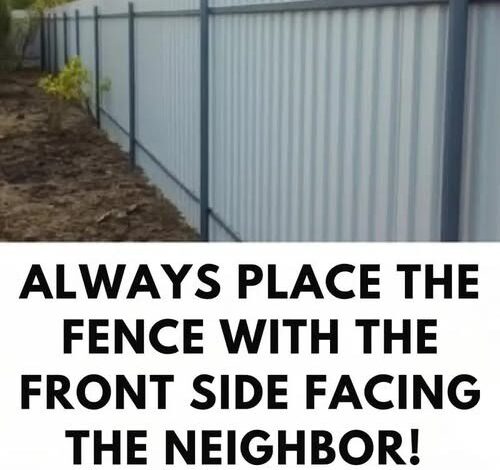
When homeowners decide to install a fence, the primary focus is usually on the “Big Three”: privacy, security, and property lines. We think about keeping the dog in, the intruders out, and the nosy neighbors at bay. However, there is a golden rule of residential etiquette—and often a strict legal requirement—that many people ignore until it’s too late. The “good” side of the fence must always face your neighbor.
At first glance, this seems like a purely aesthetic choice. After all, you’re the one paying for the materials and labor, so shouldn’t you get to enjoy the polished, finished look? In reality, flipping your fence so the structural rails and posts face your neighbor is a social and legal landmine.
The most immediate impact is on neighborly goodwill. A fence is a physical barrier, but it doesn’t have to be a social one. By presenting the finished, attractive side to the people next door, you send a clear signal of respect. You are acknowledging that their view matters as much as yours. Conversely, forcing a neighbor to stare at the “ugly” side—the industrial-looking skeleton of the fence—can feel like a deliberate act of thoughtlessness. It breeds resentment and can turn a simple weekend project into a decade-long cold war over the property line.
Beyond the social stakes, there is the cold, hard reality of local law. Many municipalities and Homeowners Associations (HOAs) have strict “Good Neighbor” ordinances. These building codes explicitly mandate that the finished side of any perimeter fence must face outward toward the public or the adjacent property. If you ignore these rules, you aren’t just being a “bad neighbor”—you’re a lawbreaker. A single official complaint could result in heavy fines or a court order to tear the entire structure down and rebuild it at your own expense. In the world of home improvement, “backwards” is synonymous with “bankrupt.”
Furthermore, property value and curb appeal are heavily tied to how your home looks from the outside in. A fence with exposed rails facing the street looks unfinished and neglected, dragging down the perceived value of the entire block. If you eventually decide to sell your home, a backwards fence is a major red flag for savvy buyers who see it as a sign of poor maintenance or impending legal disputes with the neighbors.
If you want to avoid the drama entirely, there is a modern solution: the “Double-Sided” or “Shadowbox” fence. These designs are identical on both sides, ensuring that everyone gets the “good” side. While the initial investment might be slightly higher, the long-term peace of mind—and the lack of legal fees—makes it the smartest choice for any homeowner.
Ultimately, a fence should be a bridge to a better relationship with your community, not a wall that shuts them out. By doing your research, speaking openly with your neighbors before the first post is sunk, and ensuring your fence faces the right way, you protect your investment and your peace. Remember: you aren’t just building a barrier; you are defining the character of your home. Don’t let a simple orientation mistake turn your dream backyard into a neighborhood nightmare. Face it forward, follow the code, and keep the peace.