THE SECRET ARCHITECT OF THE WU TANG EMPIRE THE UNTOLD STORY OF HOW OLIVER POWER GRANT BUILT A BILLION DOLLAR LEGACY FROM THE SHADOWS
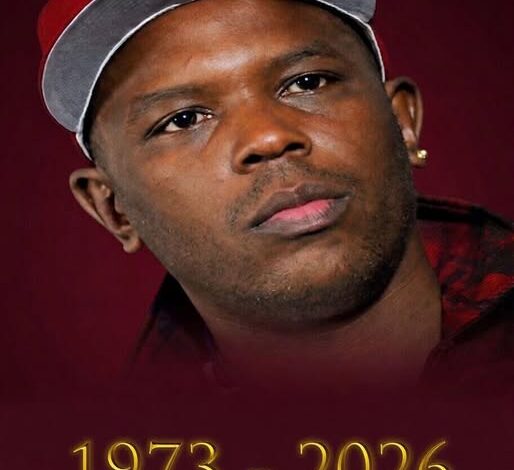
The history of hip-hop is frequently written through the lens of the microphone. We celebrate the lyricists who bend language, the producers who chop soul samples into gritty anthems, and the charismatic frontmen who command stadium crowds. However, the true durability of a cultural movement often rests upon the shoulders of the architects who never step into the spotlight. In the wake of the passing of Oliver Power Grant at the age of 52, the music industry and the global hip-hop community have been forced to reckon with the loss of one of its most essential, albeit quiet, masterminds. Grant was not just a witness to the rise of the Wu-Tang Clan; he was the primary strategist who ensured that the group’s raw, visceral energy was channeled into a sustainable, multi-generational empire.
When the Wu-Tang Clan emerged from the forgotten boroughs of Staten Island and Brooklyn in the early 1990s, the landscape of the music business was predatory and rigid. Artists were viewed as disposable commodities, and the idea of a nine-member collective maintaining individual autonomy while signed to different labels was considered a logistical impossibility. While RZA provided the sonic blueprint and the spiritual philosophy, and figures like Method Man and Ghostface Killah provided the star power, Oliver Power Grant provided the structural integrity. He was a visionary who understood that for art to survive the meat-grinder of the corporate world, it required a shield of business savvy and a sword of entrepreneurial aggression.
Grant’s influence was rooted in the concept of ownership long before “equity” became a buzzword in the rap world. He looked at the cultural explosion of the 1990s and saw more than just record sales; he saw a lifestyle that was being exported to the world without the creators reaping the full harvest. This foresight led to the birth of Wu Wear. Today, we take it for granted that a rapper will have a clothing line, a liquor brand, and a tech partnership. In 1995, however, the launch of Wu Wear was a revolutionary act of defiance. Grant realized that if the youth of the world wanted to dress like the Clan, the Clan should be the ones selling the clothes. By moving the group’s branding into the fashion sector, Grant helped decouple the artists’ income from the whims of radio play and MTV rotation. He transformed a musical group into a tangible brand that could be worn on the streets of Tokyo, London, and Paris.
The genius of Grant’s approach lay in his preference for substance over visibility. In an era defined by the “shiny suit” and the pursuit of individual fame, Grant remained a ghost in the machine. He understood the psychological power of mystery. By staying behind the scenes, he allowed the mythology of the Wu-Tang Clan to grow unchecked, while he focused on the logistical scaffolding that kept the collective from collapsing under its own weight. This required an immense level of ego-suppression. He wasn’t interested in being the face of the movement; he was interested in the movement’s survival. His work with legends like the GZA and Method Man wasn’t just about managing schedules; it was about protecting the integrity of the creative process by handling the cold, hard realities of the industry.
Grant’s strategic mind was also instrumental in navigating the complex web of independence. The Wu-Tang Clan’s deal with Loud Records is famous for allowing its members to sign solo deals with competing labels—a feat of negotiation that changed the industry forever. Grant was a vital component of the brain trust that executed this “divide and conquer” strategy. He helped ensure that the group functioned like a sovereign nation rather than a mere band. This organizational structure allowed the Wu-Tang Clan to remain relevant for over three decades, outlasting nearly all of their contemporaries. While other groups burned out due to internal friction or poor financial management, Grant’s emphasis on long-term planning provided a safety net that allowed for artistic evolution.
The passing of a figure like Oliver Power Grant serves as a sobering reminder of how much of our cultural history is built by people whose names never appear on a marquee. His life was a masterclass in the art of the “silent move.” He proved that you do not need to be the loudest person in the room to be the most influential. His legacy is not just found in the liner notes of classic albums like Enter the Wu-Tang (36 Chambers), but in the very DNA of how modern hip-hop operates as a business. Every artist who owns their masters, every rapper who launches a successful apparel line, and every collective that maintains its independence owes a debt of gratitude to the path Grant helped blaze.
Reflecting on his 52 years, one sees a trajectory defined by loyalty and foresight. He was there during the lean years in the projects, and he was there when the group became a global phenomenon. Through it all, his mission remained the same: to protect the vision. He understood that hip-hop was more than just music; it was a socio-economic tool that could lift entire communities if managed correctly. His work with Wu Wear wasn’t just about selling t-shirts and hoodies; it was about creating jobs, establishing a black-owned footprint in the garment industry, and proving that the “street” had the intellectual capacity to compete with Seventh Avenue.
As the world mourns this loss, the tribute to Grant is found in the enduring relevance of the W logo. That symbol, recognized across the globe, stands as a testament to the structure he helped build. The artists provided the fire, but Grant built the hearth that kept the fire from consuming itself. He navigated the group through the treacherous waters of the 1990s and 2000s, ensuring that the brand remained synonymous with authenticity. His death is a profound loss for the architects of the culture, those who value the foundation as much as the penthouse.
In the final analysis, Oliver Power Grant’s life challenges the modern obsession with clout and viral fame. He achieved more from the shadows than most achieve in the spotlight. He taught the industry that a well-placed strategy is more powerful than a thousand headlines. As we honor his memory, we must acknowledge that the Wu-Tang Clan is not just a collection of great lyricists; it is a monument to collective strength and strategic brilliance. Grant was a cornerstone of that monument. His departure leaves a void in the hip-hop world, but his blueprints remain. The empire he helped build continues to stand, a sprawling, unbreakable testament to the power of a man who knew that the most important work is often the work that no one sees. He was the silent engine of the Wu, and though the engine has stopped, the vehicle he built will continue to move forward, driven by the momentum of his visionary spirit.