Is That Itchy Rash on Your Hands Actually a Hidden Danger? The Secret Signs of Dyshidrotic Eczema You Can’t Afford to Ignore
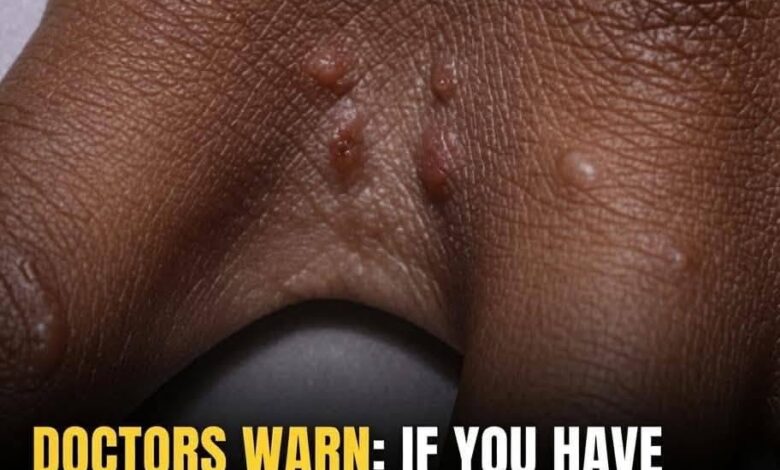
It starts with a tiny, nearly invisible prickle on your palm, a subtle sensation you might brush off as a bug bite or a simple irritation. But then, the skin begins to bubble. Suddenly, your hands are covered in agonizing, fluid-filled blisters that burn, itch, and threaten to ruin your daily life. Is it just dry skin? Is it a random allergic reaction? If you aren’t careful, you could be dealing with dyshidrotic eczema, a chronic and deeply uncomfortable condition that strikes right when the seasons change. Don’t let these red, angry bumps catch you off guard—the truth about what your skin is trying to tell you might shock you.
Dyshidrotic eczema, often referred to by doctors as pompholyx, is far more than just a temporary skin annoyance. It is a chronic, recurrent condition that manifests as intense, deep-seated vesicles—small, fluid-filled blisters—usually appearing with frustrating symmetry on the palms, the sides of your fingers, the soles of your feet, and the gaps between your toes. While the average person might dismiss these as mere heat rash or contact dermatitis, the reality is that dyshidrotic eczema is a complex inflammatory response that requires more than just a passing glance.
The medical community sometimes debates the exact terminology for this condition. Depending on where it shows up, it might be called cheiropompholyx when it plagues the hands, or podopompholyx when it affects the feet. Regardless of the label, the experience is universally exhausting. It typically begins with a maddening, intense itch that precedes the appearance of those tiny, 1–2 mm blisters. Over the course of a few weeks, these vesicles may harden, causing the skin to flake, crack, and peel, often leaving the underlying tissue raw, painful, and highly susceptible to secondary bacterial infections.
It is crucial to understand that not every skin irritation is a sign of this specific eczema. Dermatitis is a broad umbrella term for skin inflammation, and mistaking a fungal infection, a severe allergic reaction, or another type of eczema for dyshidrotic eczema can lead to ineffective treatment. Before you embark on any skincare regimen, a professional diagnosis is the only way to ensure you are targeting the right problem. If you notice persistent redness, deep-set blisters that refuse to heal, or scaling skin that feels more like sandpaper than human skin, it is time to consult a dermatologist.
Those with a history of atopic dermatitis, contact dermatitis, or even seasonal hay fever seem to be genetically predisposed to this condition. While there is no known “cure,” dyshidrotic eczema is far from a life sentence of misery. It is highly manageable. Modern dermatology offers a range of potent treatments to combat the flare-ups. Corticosteroid creams and ointments remain the gold standard for reducing inflammation, while severe cases may require oral medications, injections, or even specialized UV light therapy to calm the skin’s overactive immune response. In instances where blisters become unmanageably large, a professional may need to drain them safely in a clinical environment to prevent infection and promote healing.
However, many patients find the most success by augmenting these conventional medical treatments with a proactive, consistent skincare routine. The goal is to fortify your skin’s natural barrier, preventing the environmental triggers that incite the next wave of blisters. Maintaining moisture is the absolute cornerstone of eczema management.
At-home, natural remedies can provide incredible relief and peace of mind when your skin feels like it is on fire. One of the most effective techniques is the use of cold compresses. By soaking a clean cloth in cool water and applying it to the affected area for 15 minutes—repeated two to four times a day—you can dramatically reduce the heat and swelling. Following these compresses with a high-quality, fragrance-free moisturizer locks in hydration and creates a protective seal over the damaged skin.
Aloe vera, the ancient healer of the plant world, is another invaluable ally. The thick, cooling gel found within the leaves of the aloe plant is legendary for its ability to soothe irritated tissue and stimulate the skin’s natural regenerative process. Whether you break off a fresh leaf from a houseplant or use a high-quality natural lotion from a pharmacy, the application of pure aloe can cool the burning sensation of a flare-up almost instantly.
Oatmeal is another pantry staple that deserves a place in your medicine cabinet. Long before it was a breakfast staple, colloidal oatmeal was recognized for its profound anti-inflammatory and anti-itch properties. Creating a paste or utilizing colloidal oatmeal in a soak can help calm the inflammatory markers in the skin, reducing the urge to scratch and allowing the surface to return to its healthy, intact state.
Living with dyshidrotic eczema requires vigilance, but it does not have to dictate your life. By understanding the triggers—whether they are stress-based, allergen-based, or seasonal—and by maintaining a rigid, gentle skincare protocol, you can keep the blisters at bay. If you find yourself staring at those suspicious red bumps, don’t wait for them to crust over or become infected. Knowledge is your most powerful tool in the fight for comfortable, healthy skin. Reach out to a professional, embrace a routine that keeps your skin hydrated and protected, and reclaim your comfort. The path to relief is shorter than you think, provided you take the first step toward understanding what your skin really needs.