What I Found on My Pant Leg After Walking!
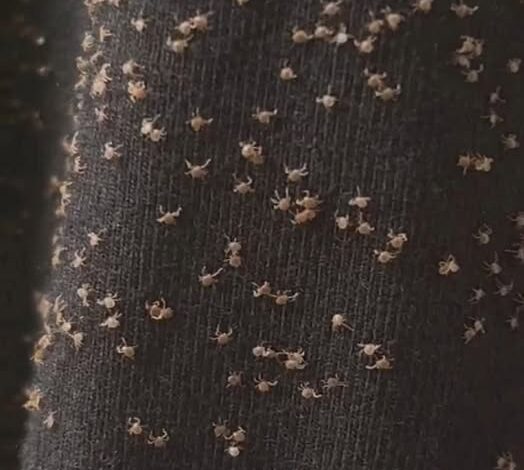
The experience of a peaceful afternoon stroll through a sun-drenched meadow or a winding forest trail is one of life’s simplest pleasures. The rhythmic sound of footsteps on packed earth, the scent of pine or damp grass, and the gentle rustle of leaves create a sensory sanctuary away from the digital noise of modern existence. However, this tranquil connection with nature often concludes with a curious discovery back at the trailhead or in the comfort of one’s mudroom. Upon looking down, many walkers find their pant legs transformed into a crowded gallery of tiny, tenacious hitchhikers. These clingy remnants of the wilderness appear almost as if by magic, peppered across denim or leggings, stubbornly refusing to be brushed away with a casual flick of the wrist.
While these mysterious stowaways can be a source of mild annoyance or confusion, they represent one of the most sophisticated and successful engineering feats in the natural world. Far from being random debris, these tiny bits are actually travelers on a mission. They are seeds—commonly referred to as burrs, stickseeds, or hitchhikers—and they are the primary actors in a botanical drama of survival and expansion. Unlike animals, plants lack the mobility to seek out new territories for their offspring. To overcome this stationary existence, many species have evolved a strategy known as zoochory: the use of animals—and, by extension, humans—as a biological transportation system.
The sheer tenacity of these seeds is a marvel of evolutionary design. If one were to examine a burr under a magnifying glass, the secret to its grip would become immediately apparent. Nature, it seems, invented the hook-and-loop fastening system long before humans patented it as Velcro. Many of these seeds are equipped with microscopic hooks, curved barbs, or specialized fine hairs that act like anchors. When the soft, woven fibers of your clothing brush against a seed head, these hooks engage instantly with the fabric. The more you move, the more securely they bed themselves into the weave. Other plants utilize a different tactic, coating their seeds in a slightly resinous or mucilaginous substance that acts as a natural adhesive, ensuring they remain attached through miles of movement.
The variety of plants that participate in this “hitchhiking” economy is extensive. One of the most common culprits is the burdock, a plant that produces large, spherical seed heads covered in hooked bracts. It was, famously, the burdock seed that inspired the invention of Velcro after a Swiss engineer noticed how persistently they clung to his dog’s fur after a hunting trip. Then there is the aptly named “beggar’s lice,” a member of the borage family that produces flat, triangular seeds covered in prickles. These are particularly fond of wool and fleece, embedding themselves so deeply that they often require surgical precision to remove. “Cleavers,” also known as goosegrass or “sticky willy,” take a more delicate approach, utilizing tiny hooked hairs on both their seeds and their stems to climb up vegetation—and unsuspecting walkers—with ease. In sandier coastal or prairie environments, one might encounter the “sandbur,” a formidable hitchhiker with sharp, stiff spines that can pierce thin fabrics and even skin, demanding a respectful and careful removal process.
The ecological purpose behind this behavior is both brilliant and vital. For a plant, the area directly beneath its own canopy is often the worst place for its seeds to land. Competition for sunlight, water, and soil nutrients is fiercest near the parent plant. By hitching a ride on a passing mammal or a person’s trousers, the seed is granted a ticket to a distant location. It may travel for minutes or days before being groomed off, falling into a fresh patch of soil far from its origins. This dispersal ensures the genetic diversity of the species and allows the plant to colonize new habitats that it could never reach through wind or gravity alone.
Dealing with the aftermath of a walk through “hitchhiker” territory requires a bit of patience and the right tools. While the first instinct is often to pull them off one by one with your fingers, this can be time-consuming and sometimes painful if the seeds have sharp barbs. A more efficient method involves using the edge of a credit card or a fine-tooth comb to scrape the seeds downward along the fabric, dislodging the hooks from the fibers. For smaller, fuzzier seeds like beggar’s lice, a lint roller or a piece of heavy-duty duct tape can lift them away effectively. It is a wise practice to perform this cleaning ritual outdoors, perhaps on a porch or at the edge of your yard. Brushing them off inside the house not only creates a mess but inadvertently assists the plant in its goal of dispersal—you might find a “beggar’s lice” plant sprouting from your carpet or a potted plant a few months later.
Beyond the logistical task of cleaning, these seeds serve as a tactile reminder of our place within the ecosystem. We often think of ourselves as mere observers of nature, separate from the biological processes happening around us. However, the burrs on our pant legs tell a different story. They prove that we are active participants in the forest’s life cycle. We are the unwitting couriers of the next generation of wildflowers and weeds. Every time we walk through the tall grass and carry these seeds a mile down the trail, we are performing an ancient service that has linked plants and animals for millions of years.
Furthermore, these tiny hitchhikers highlight the importance of being mindful of where we walk. In sensitive ecological zones, hitchhiking seeds can sometimes belong to invasive species that threaten local biodiversity. By checking our clothing and the fur of our pets after a hike, we can help prevent the spread of aggressive plants into areas where they don’t belong. This simple act of maintenance becomes an act of environmental stewardship, protecting the very trails and parks we enjoy.
In the end, the next time you find your pants decorated with a sudden collection of botanical jewelry, try to view it through a lens of curiosity rather than frustration. Those tiny, clingy bits are the result of an incredible evolutionary journey. They are masterpieces of mechanical engineering, symbols of resilience, and evidence of nature’s unyielding drive to move, grow, and thrive. A quick wash and a bit of grooming are small prices to pay for the privilege of walking through a world so cleverly designed that even the seeds beneath our feet know how to reach for the horizon. Nature is full of these quiet, ingenious surprises, often hiding in plain sight—or right there on your pant leg.