What to Eat to Reduce Nail Ridges! A Nutrition Guide for Healthier Nails
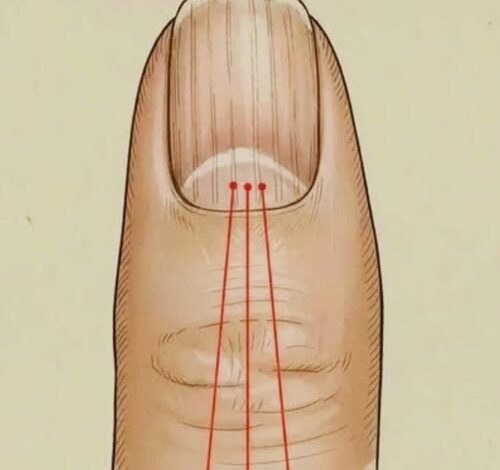
In the modern landscape of self-care, we often find ourselves looking for answers in expensive serums, specialized lacquers, and high-end manicures. However, our nails are far more than just aesthetic canvases; they are dynamic biological records of our internal health. Among the most common concerns individuals notice as they age are vertical ridges—those fine, raised lines that run from the cuticle to the tip of the nail. While often dismissed as an inevitable sign of maturity, these ridges are frequently a silent dialogue between our bodies and our nutritional habits. In February 2026, as the “beauty from within” movement continues to gain scientific backing, it is becoming clear that the secret to smooth, resilient nails isn’t found in a bottle, but on our dinner plates.
To understand how to address nail ridges, one must first understand the anatomy of the nail itself. The visible part of the nail is made of keratin, a tough, fibrous structural protein. This keratin is produced in the nail matrix, the hidden area just beneath the cuticle. Because this matrix is living tissue, it is highly sensitive to the presence—or absence—of specific nutrients. When the body is deprived of the building blocks it needs, the matrix produces “uneven” keratin, resulting in the textural irregularities we recognize as ridges. By shifting our focus toward a nutrition-first approach, we can provide the nail matrix with the high-quality materials it needs to produce a smoother, stronger surface.
The most critical component of this biological construction project is protein. Since nails are primarily composed of keratin, a diet deficient in high-quality amino acids will almost immediately manifest in the hands. If your protein intake is inconsistent, the nails may become thin, brittle, and prone to “washboard” ridging. To support steady keratin production, it is essential to incorporate diverse protein sources throughout the day. Eggs are a nearly perfect food for this purpose, as they contain all the essential amino acids along with sulfur, which helps cross-link keratin fibers for added strength. For those following plant-based diets, a rotation of lentils, chickpeas, and tofu is vital. Consistency is key; because nails grow at a rate of only about 3 millimeters per month, the body requires a constant, uninterrupted supply of protein to maintain a smooth growth pattern.
While protein provides the raw material, Biotin, also known as Vitamin B7, acts as the architectural foreman. Biotin is a water-soluble B-vitamin that is integral to the infrastructure of keratin. Clinical research has long suggested that Biotin supplementation or increased dietary intake can significantly improve nail thickness and reduce the vertical splitting associated with deep ridges. Fortunately, Biotin is readily available in a variety of whole foods. Walnuts and almonds are excellent sources, providing not only the vitamin but also healthy fats that support the nail bed. Sweet potatoes and spinach offer additional B-vitamins that assist in cellular energy production, ensuring the nail matrix has the fuel it needs to function at peak capacity.
Another silent contributor to nail irregularities is iron status. While a severe iron deficiency can lead to “koilonychia” or spoon-shaped nails, even a mild deficiency can result in a loss of nail luster and the prominence of vertical grooves. Iron is responsible for transporting oxygen to the cells; without adequate oxygen, the nail matrix struggles to produce a uniform surface. Lean red meats and chicken thighs provide heme iron, which is the most easily absorbed form. However, for those focused on plant-rich diets, dark leafy greens and pumpkin seeds are potent alternatives. A clever nutritional trick for nail health is to pair these plant-based iron sources with Vitamin C—such as a squeeze of lemon or a side of bell peppers—to significantly enhance absorption.
Zinc is the unsung hero of tissue repair and cellular growth. In the context of nail health, zinc is responsible for the rapid cell division that occurs in the matrix. When zinc levels are low, this division slows down and becomes irregular, leading to ridges or the characteristic white spots often seen after minor trauma. Because the human body has no specialized zinc storage system, we must consume it daily. Oysters are the most concentrated source, but cashews, sunflower seeds, and whole grains provide accessible daily options. Maintaining steady zinc levels ensures that the “assembly line” of the nail growth process remains smooth and efficient.
We must also consider the role of moisture, which is governed largely by Omega-3 fatty acids. Just as dry skin appears more wrinkled, dry nails tend to have much more visible ridges. Omega-3s help maintain the lipid barrier of the nail, locking in moisture and providing the flexibility needed to prevent cracking. Fatty fish like salmon and sardines are the gold standard for these healthy fats, but chia seeds and flaxseeds offer excellent plant-based support. These fats also support healthy circulation, ensuring that the blood vessels feeding the nail matrix are clear and efficient, delivering the aforementioned proteins and minerals exactly where they are needed.
Finally, the simplest and most frequently overlooked factor in nail texture is systemic hydration. Dehydration causes the nail plate to contract and become brittle, which makes even minor natural ridges appear deep and jagged. Drinking adequate water is essential, but “eating your water” through hydrating foods like cucumbers, oranges, and watermelon can provide structured cellular hydration that the body often retains more effectively.
It is important to manage expectations when embarking on a nutritional journey for nail health. Because the nail you see today was actually formed in the matrix weeks or even months ago, dietary changes will not result in an overnight transformation. It typically takes a full growth cycle—roughly four to six months—to see the results of improved nutrition reflected at the tips of your fingers. However, this slow progress is a sign of true, lasting change. Unlike a topical hardener that merely masks the problem, nutritional intervention fixes the issue at the source.
While vertical ridges are usually a harmless byproduct of aging or minor nutrient gaps, it is crucial to remain observant. Deep horizontal grooves, known as Beau’s lines, or sudden changes in color and thickness can be indicators of more serious systemic issues, such as thyroid dysfunction or significant metabolic stress. In these cases, consultation with a healthcare professional is necessary to rule out underlying conditions.
The takeaway for 2026 is clear: our nails are a window into our internal vitality. By prioritizing high-quality protein, embracing the power of Biotin and Omega-3s, and ensuring our mineral levels are balanced, we can move toward a future of stronger, smoother nails. Beauty is not just about what we apply to our bodies; it is a reflection of how we nourish them. With patience and a balanced diet, achieving resilient and ridge-free nails is an entirely attainable goal that starts in the kitchen.