8 Signs Your Body and Mind Are Exhausted!
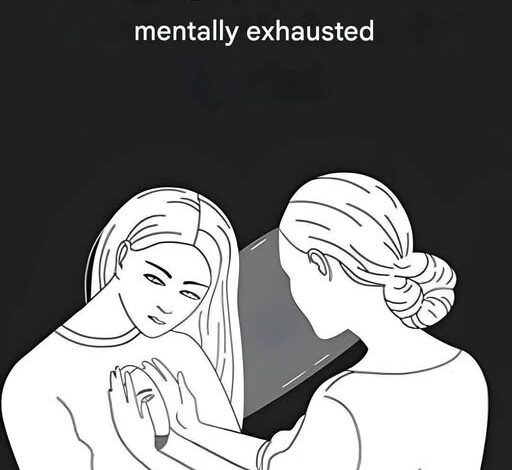
In the relentless pursuit of modern efficiency, the human experience has increasingly become a race against the clock. By March 2026, the global cadence of life—fueled by instant digital connectivity and a “hustle culture” that refuses to sleep—has pushed the boundaries of human endurance to a breaking point. We often wear our busyness as a badge of honor, yet beneath the surface of our productivity, our bodies and minds are frequently staging a quiet revolution. Chronic exhaustion is not merely a state of being tired; it is a systemic failure of our internal recovery mechanisms. Recognizing the subtle, yet vital, signals of total depletion is the first step toward reclaiming a life of balance and genuine well-being.
Fatigue is not a sign of weakness; it is a biological defense mechanism. It is the body’s way of sounding a tactical retreat before a total collapse occurs. When we ignore these signals, we move from simple tiredness into the dangerous territory of burnout and emotional erosion. To navigate this, we must learn to interpret the eight primary markers of a mind and body that have reached their absolute limit.
1. The Erosion of Patience: Irritability as a Red Flag
One of the most immediate indicators of mental overload is a sharp decline in emotional regulation. If you find yourself becoming disproportionately upset over minor inconveniences—a slow internet connection, a misplaced set of keys, or a harmless remark from a colleague—your “emotional reservoir” is likely dry. When the mind is overtaxed, it loses its ability to filter stimuli and maintain perspective. You aren’t just “in a bad mood”; your brain’s prefrontal cortex, responsible for impulse control and rational thought, is struggling to function under the weight of chronic stress.
The Path Forward: Reclaiming control requires setting uncompromising boundaries. This means learning the power of the word “no” and carving out “unplugged” time where you are not expected to produce, respond, or react.
2. The Paradox of the Sleepless Night
Perhaps the most frustrating symptom of exhaustion is the inability to rest. Sleep disturbances—whether it is the “tired but wired” phenomenon of insomnia, frequent middle-of-the-night waking, or a full eight hours that leaves you feeling unrefreshed—signal a profound hormonal imbalance. Chronic stress floods the body with cortisol and adrenaline, keeping the nervous system in a state of “high alert” long after the sun has set. This prevents the brain from entering the deep, restorative stages of REM sleep necessary for cognitive repair.
The Path Forward: Establishing a “digital sunset” at least an hour before bed is essential. By removing the blue light of screens and engaging in low-sensory rituals like reading or gentle stretching, you signal to your nervous system that the threat level has dropped, allowing for natural melatonin production.
3. Heightened Emotional Reactivity and Hypersensitivity
When we are exhausted, our emotional skin becomes thin. You may find that a simple piece of constructive feedback feels like a devastating personal attack, or a minor sad story in the news leaves you feeling inexplicably overwhelmed. This hypersensitivity is a sign that your emotional threshold has been lowered by a lack of psychological recovery. You are essentially operating with raw nerves, making every interaction feel high-stakes and exhausting.
The Path Forward: It is crucial to find a safe outlet for this accumulated emotional energy. Whether through journaling, art, or a trusted conversation, externalizing your feelings prevents them from festering internally and causing further psychological strain.
4. Somatization: The Body as a Silent Spokesperson
When the mind is silenced, the body begins to shout. Physical symptoms such as chronic tension headaches, unexplained muscle pain (particularly in the neck and shoulders), and digestive distress are often the physical manifestations of psychological “weight.” This process, known as somatization, occurs when the body translates emotional distress into physical pain. The gut, often called the “second brain,” is particularly sensitive to the chemical changes induced by long-term exhaustion.
The Path Forward: While a medical consultation is necessary to rule out underlying physical conditions, acknowledging the mind-body connection is vital. Incorporating somatic practices—such as deep breathing or progressive muscle relaxation—can help release the physical “storage” of stress.
5. Unexplained Tears: The Release of Suppressed Stress
Finding yourself on the verge of tears for no apparent reason is a hallmark of emotional burnout. These frequent, sudden bursts of emotion are often the body’s way of performing an “emergency vent” of accumulated pressure. Tears contain stress hormones, and the act of crying is a biological process designed to lower the body’s internal tension. If you feel like crying, it is often because you have been “holding it together” for too long.
The Path Forward: Allow the release to happen without shame. Surrounding yourself with a supportive community and being honest about your state of mind can prevent the isolation that often accompanies emotional exhaustion.
6. The “Gray Zone”: Apathy and Emotional Detachment
Perhaps the most dangerous sign of total exhaustion is a feeling of emptiness or general indifference. This state of apathy, where you feel detached from your work, your hobbies, and even your loved ones, is a significant warning sign. It is a form of psychological self-preservation where the mind “shuts down” to prevent further damage. When things that once brought you joy now elicit only a shrug, you have moved beyond tired into the beginnings of a depressive episode.
The Path Forward: Isolation is the enemy of recovery in this stage. Even if it feels like a monumental effort, reaching out for professional guidance is essential. An initial consultation with a therapist can provide the tools necessary to begin the slow process of re-engagement.
7. Cognitive Fog and the Loss of Focus
When the brain is exhausted, its ability to process information slows down. You may find yourself reading the same sentence three times without comprehending it, or struggling to find common words during a conversation. This “brain fog” is a result of the brain prioritizing basic survival functions over complex cognitive tasks. Your mental CPU is overheating, and its processing power is being diverted to just keep you standing.
8. The Feeling of Impending Dread
Exhausted individuals often experience a persistent sense of unease or “waiting for the other shoe to drop.” Even when things are going relatively well, the mind is so accustomed to the “fight or flight” response that it begins to manufacture anxiety to justify its physiological state. This chronic dread makes true relaxation feel impossible, as the mind perceives rest as a dangerous lapse in vigilance.
The Philosophy of Recovery
Listening to your body is an act of profound self-respect. In the hyper-competitive environment of 2026, choosing to stop is a radical act of courage. We must shift our perspective: rest is not a reward for work; it is a prerequisite for it. Just as an elite athlete requires recovery days to build muscle, the human mind requires periods of “non-doing” to maintain its creative and emotional capacity.
Regaining control of your life begins with the simple realization that you are not a machine. You are a biological entity with specific, non-negotiable needs for silence, connection, and restorative rest. Recognizing these eight signals isn’t about admitting defeat; it’s about strategizing for the long term. By honoring the “stop” signal today, you ensure that you have the strength to move forward tomorrow.