Why bathing too much can harm your skin and health!
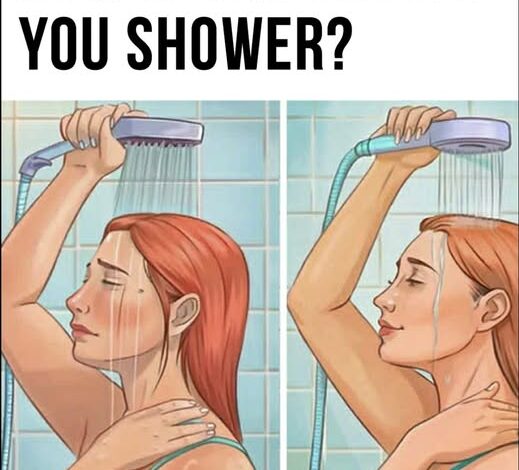
The modern daily shower is often regarded as an essential ritual of hygiene and a sanctuary for mental relaxation, yet emerging dermatological research suggests that our obsession with being “squeaky clean” may be detrimental to our long-term health. While the sensation of warm water cascading over the skin provides an immediate sense of comfort, the biological reality is that frequent bathing can strip away the body’s primary line of defense. As we navigate the health landscape of 2026, experts are increasingly advocating for a shift toward moderation, emphasizing that our skin is not merely a surface to be scrubbed, but a complex, self-regulating organ that thrives on its own natural ecosystems.
The human skin operates as an intelligent barrier, producing specialized lipids and oils designed to maintain hydration and protect against environmental pathogens. When we subject our bodies to daily showers—particularly those involving high temperatures and surfactants found in many commercial soaps—we effectively dissolve these protective oils. Without this lipid layer, the skin’s moisture evaporates rapidly, leading to the pervasive issues of dryness, persistent itching, and flaking. More concerning is the structural damage; as the skin dries, it develops microscopic fissures or “micro-cracks.” These openings serve as gateways for allergens, bacteria, and chemical irritants to bypass our defenses, often manifesting as dermatitis, eczema flares, or localized infections.
Beyond the depletion of oils, frequent washing disrupts the delicate balance of the skin’s microbiome. Like the gut, the skin is home to an ecosystem of beneficial bacteria that actively compete with harmful microbes. Over-sanitization through excessive bathing can decimate these “good” bacteria, leaving the body vulnerable to opportunistic pathogens. Dermatologists increasingly point to the “hygiene hypothesis” as a cautionary tale: by maintaining an environment that is too sterile, we may be preventing our immune systems from encountering the everyday microbes necessary to build a robust immune memory. This is particularly relevant for children, whose developing immune systems require exposure to the natural world to distinguish between harmless dust and dangerous pathogens.
The physiological impact of showering extends to the cardiovascular and thermoregulatory systems. While the immediate relaxation of a hot shower is undeniable, the vasodilation caused by high-temperature water can lead to significant drops in blood pressure and episodes of dizziness. For older adults or those with pre-existing circulatory conditions, these temperature swings represent a tangible safety risk. Conversely, ice-cold showers, while popular for their invigorating effects, can trigger a “cold shock” response, characterized by a rapid spike in heart rate and respiratory distress. Professionals now suggest that tepid or warm water is the ideal compromise, allowing for cleansing without the systemic stress associated with extreme temperatures.
The scalp and hair are equally susceptible to the pitfalls of over-cleansing. Each hair follicle is associated with a sebaceous gland that produces sebum, a natural conditioner that keeps hair strands flexible and strong. Frequent shampooing removes this sebum faster than the body can replenish it, resulting in hair that is brittle, dull, and prone to breakage. Over time, the chronic inflammation of a dry, stripped scalp can even contribute to thinning. Most experts now recommend a “less is more” approach, suggesting that washing hair two to three times a week is sufficient for the majority of people, provided they are not engaged in high-intensity physical activity or exposed to significant environmental pollutants.
Transitioning to a more balanced hygiene routine requires a strategic approach to bathing. For most adults living in climate-controlled environments, a full-body shower every single day is simply unnecessary. The current clinical recommendation focuses on “targeted hygiene”—cleansing only the areas with high concentrations of sweat glands and bacteria, such as the face, axillae (armpits), and groin. Unless one has spent the day in the garden, on a hiking trail, or at a construction site, the rest of the body can often be rinsed with plain water or left alone entirely. This selective cleaning allows the skin on the limbs and torso to maintain its integrity while still managing body odor and basic cleanliness.
The duration of the shower is another critical factor. While it may be tempting to linger under the spray for fifteen or twenty minutes, most dermatologists suggest a window of three to five minutes. Shorter exposure reduces the amount of time the skin is subjected to the drying effects of chlorinated tap water and reduces the overall ecological footprint of the household. Following a short shower, the “three-minute rule” for moisturizing is essential: applying a fragrance-free emollient to damp skin within three minutes of exiting the shower helps trap moisture and reinforce the compromised lipid barrier.
[Image illustrating the “three-minute rule” for post-shower moisturizing to seal in hydration]
Ultimately, the goal of modern hygiene should be to support the body’s natural functions rather than replace them. By showering less frequently and using gentler techniques, we allow our skin to do what it was designed to do—protect us. This shift toward a more mindful bathing routine is not a rejection of cleanliness, but an embrace of biological wisdom. As we continue to learn more about the complexities of the human microbiome, it becomes clear that sometimes, the most health-conscious choice we can make is to step away from the soap and let our bodies maintain their own delicate, beautiful balance.
Embracing this change may feel counterintuitive in a culture that prizes “freshness” above all else, but the long-term benefits for skin resilience and immune health are profound. By moving away from the daily scrub, we aren’t just saving water or time; we are preserving the intricate, living shield that connects us to the world while keeping us safe from it.