Willie Aames – From Teen TV Fame to Lifes Unexpected Challenges!
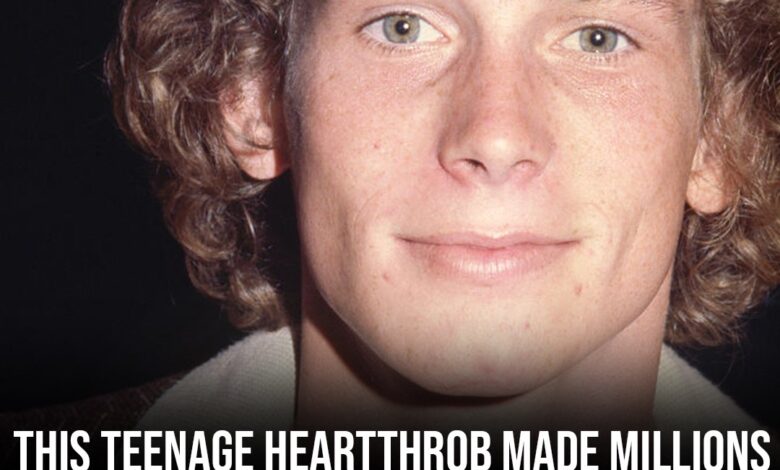
By the time he was nineteen years old, Willie Aames was a household name, earning a staggering $1 million annually during an era when such a figure was almost unfathomable for a teenager. Born in Newport Beach in 1960, the son of a firefighter possessed a natural charisma that the camera loved. He began his career in commercials at age nine and spent the early 1970s guest-starring on legendary programs like Gunsmoke and The Odd Couple. However, it was his casting as Tommy Bradford on the hit family drama Eight Is Enough that vaulted him into the stratosphere of teen idol status. With nearly 20 million viewers tuning in weekly, Aames became a fixture on bedroom posters across the country. Yet, beneath the veneer of Hollywood glamour, the foundation of his young life was beginning to erode.
The sudden influx of wealth and fame came without a roadmap. Aames later admitted that he had almost no guidance on how to navigate the psychological and financial complexities of his position. The pressure of a relentless filming schedule and the scrutiny of the public eye led him toward a quiet, escalating dependency on alcohol, marijuana, and cocaine. This hidden struggle remained masked by his “boy next door” image even as he continued to find work, moving from Eight Is Enough to the teen comedy Zapped! and eventually securing the role of Buddy Lembeck on the popular sitcom Charles in Charge. By the end of that series in 1990, Aames appeared to be a permanent fixture in the television landscape, but his private reality was a mounting catastrophe of unwise investments, emotional stress, and personal instability.
The mid-2000s marked the beginning of a brutal decline. Aames faced a series of devastating losses in rapid succession: his second marriage collapsed, he was forced to file for bankruptcy, and his home was taken through foreclosure. By 2009, the man who had once been one of the highest-paid teenagers in the world was holding a garage sale in Olathe, Kansas, selling off his scripts, awards, and personal memorabilia just to make ends meet. At his lowest point, he reportedly had only ten dollars to his name. He spent nights sleeping outdoors or huddled in the empty shell of his former home, a stark and lonely fall from the heights of Hollywood.
At age 48, facing a future that seemed entirely devoid of hope, Aames made a radical decision. He chose to walk away from the ghost of his celebrity identity and embrace a humble, practical path to survival. He applied for a job as a satellite installer for Dish Network, earning just $8.60 an hour. The company was initially hesitant to hire him, fearing that a former celebrity would be a liability or unable to handle the manual labor, but Aames’ persistence won them over. This job, though far removed from the lights of a television studio, became the anchor of his recovery. It provided the structure, routine, and tangible sense of accomplishment he had been missing for decades.
This period of manual labor was followed by a move into the maritime industry. Aames took a job on a cruise ship, starting at the bottom by organizing basic onboard activities. Free from the toxic pressures of the entertainment industry, he flourished in the maritime environment. His work ethic and adaptability allowed him to rise through the ranks with remarkable speed, and within six months, he was promoted to cruise director. This role allowed him to travel to over 120 countries, gaining a global perspective that finally helped him put his early fame into context. He was no longer a “former star”; he was a competent leader in a demanding profession.
While his professional life was being rebuilt through grit and humility, his personal life was being transformed by a connection that had begun thirty years prior. During the peak of his fame on Eight Is Enough, Aames had received a fan letter from a woman named Winnie Hung. On a whim, he had called the number she provided, leading to a surprise conversation and a friendship that endured through letters and phone calls across three decades. Even as they both moved through different marriages and career paths, they remained a quiet constant in each other’s lives. When Hung learned of Aames’ financial and personal struggles through the news, she reached out via social media. Their long-distance bond culminated in a meeting when his cruise ship docked in Vancouver, and the decades of correspondence quickly blossomed into a profound romance.
On March 21, 2014, Willie Aames and Winnie Hung were married. Their unique story—a testament to the enduring power of human connection—eventually inspired a Hallmark Channel film, dramatizing how a simple fan letter could become the foundation for a lifelong partnership. With his emotional life stabilized and his financial feet back on the ground, Aames felt ready to return to his first love: filmmaking. However, this time he returned on his own terms. In 2020, he released the film Bottle Monster, a project that represented a creative rebirth and a successful synthesis of his past experiences and his renewed sense of purpose.
Now in his mid-sixties, Aames looks back on his journey not with bitterness, but with a deep sense of gratitude. He often speaks about the importance of taking small, steady steps toward recovery and the necessity of personal accountability. He credits his time as a satellite installer and a cruise ship employee as the “grounding” he never received as a teenager. These roles taught him that self-esteem is built through competence and hard work rather than public adulation. His narrative serves as a powerful reminder that reinvention is possible at any age, provided one is willing to embrace humility and the reality of a fresh start.
From the sun-drenched beaches of Newport to the heights of television stardom, through the darkness of addiction and homelessness, and finally to a life of stability and creative fulfillment, Willie Aames’ life is a full-circle story of resilience. He has transitioned from a cautionary tale of early fame into a beacon of hope for anyone facing a seemingly insurmountable setback. Today, he balances his creative endeavors with a happy marriage and a life of travel, frequently remarking that he is more fulfilled now than he ever was during the height of his million-dollar years. His journey proves that while fame is fleeting, the character built through adversity and the connections nurtured over a lifetime are the true foundations of a successful life.