Cremation and Faith! What Scripture Teaches and Where True Hope Is Found!
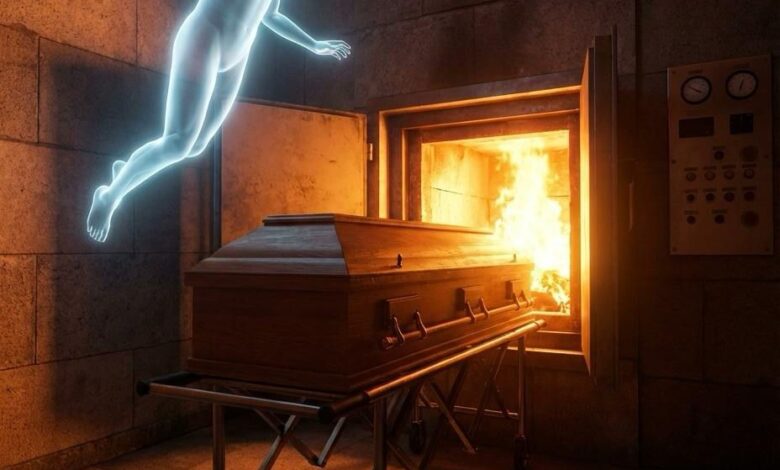
Few subjects invite deeper introspection than the transition from this life to the next and the subsequent question of how we should honor the physical body at the end of its earthly journey. As cremation becomes an increasingly common practice across the United States, many people of faith—particularly seniors who have spent a lifetime rooted in traditional religious communities—find themselves in a space of quiet reflection. These individuals are not typically motivated by fear; rather, their inquiry is born of a profound reverence for the sacred. They wonder if the choice to cremate aligns with long-held spiritual values, how it intersects with the promises found in Scripture, and whether it alters the eternal hope that defines their belief. For many, final arrangements are not merely logistical decisions but a final act of stewardship and an extension of faith itself.
To understand the tension some feel, one must look at the historical and narrative weight of burial within the biblical text. Throughout Scripture, from the earliest patriarchal accounts in the Old Testament to the foundational events of the New Testament, burial is the overwhelming norm. Abraham, the father of faith, was buried with his ancestors in the cave of Machpelah. The kings of Israel were laid to rest with solemnity and honor. Most significantly, after the crucifixion, the body of Jesus was handled with meticulous care and placed in a borrowed tomb. This consistent imagery has shaped centuries of Christian tradition, embedding the idea that returning the body to the earth is a symbolic gesture of humility and trust. The liturgy of “dust to dust” serves as a poignant reminder of our origins and an expression of a patient waiting for a future promise.
However, a careful study of Scripture reveals an important distinction: while burial is the primary cultural description, it is never issued as a universal or divine commandment. The Bible frequently utilizes narrative and cultural custom to convey spiritual truths, yet it remains silent on a rigid prohibition of cremation. In the ancient Near East, burial was dictated as much by climate, nomadic lifestyle, and local custom as it was by theological conviction. For the modern believer, this distinction is liberating. It suggests that while burial carries a beautiful and historically rich symbolism of waiting for the resurrection, the method of laying the body to rest is a matter of tradition rather than a prerequisite for salvation or eternal life.
A central pillar of the Christian faith is the belief in the absolute, boundless power of the Creator. Throughout human history, many faithful individuals have met their ends in circumstances where a traditional burial was physically impossible. Some perished in the depths of the sea, others in fires, disasters, or the chaos of war. Scripture never implies that their spiritual hope was diminished or that their future resurrection was compromised by the state of their physical remains. The promise of restored life is rooted in the sovereign power of God, who formed humanity from the dust of the earth and is fully capable of reconstituting life from any state of decay or destruction. For many families, this realization brings a deep sense of peace. It shifts the focus from the preservation of human remains to the preservation of the soul in the hands of a God whose authority is not limited by physical form.
In contemporary faith communities, pastors and leaders are increasingly emphasizing that intention and meaning carry more weight than technique. The “why” behind a decision often holds more spiritual significance than the “how.” For some families, cremation is chosen as a matter of simplicity, reflecting a desire for a humble exit from the world. For others, it is a practical decision influenced by the rising costs of traditional burials, the geographical distance between family members, or a specific request made by a loved one before their passing. When these choices are made with prayerful consideration and respect for the life that was lived, they are viewed by the vast majority of modern faith traditions as fully compatible with a life of devotion.
The role of conscience is also vital in this conversation. Many denominations now encourage believers to follow their internal moral and spiritual compass when making end-of-life arrangements. This approach aligns with the broader biblical principle that faith is a matter of sincerity and trust rather than the adherence to rigid, extrabiblical rules. Regardless of the method chosen, the mandate remains the same: to treat the body with dignity as it was once the temple of the Spirit. Memorial services, prayers, and acts of remembrance serve as the true vehicles for honoring a life. Whether a casket rests at the front of a sanctuary or an urn is placed on a memorial table, the focus of the community remains fixed on the celebration of the person’s journey and the affirmation of their eternal hope.
One of the most common concerns regarding cremation is its perceived interference with the doctrine of the resurrection of the body. This is an understandable anxiety for those who view the physical shell as the essential seed for what is to come. Yet, theologians often point to the words of the Apostle Paul, who described the resurrected body as a “spiritual body,” noting that what is sown is not the body that will be. The same God who initiated life is the one who sustains it beyond death. Resurrection is an act of new creation, not merely the resuscitation of old matter. Faith, therefore, does not rest in the durability of a casket or the condition of a grave, but in the promise of a total renewal that transcends human understanding.
As traditions evolve, they do not necessarily lose their spiritual potency; rather, they adapt to reflect deeper truths in new contexts. Burial remains a beautiful and viable option for those who find comfort in its historic symbolism, but cremation is no longer seen as a departure from a life of faith. Ultimately, these discussions are not really about the physical processes of heat or earth. They are about where a person places their ultimate hope. For the believer, lasting assurance is not found in the ground or in ashes, but in the promise of a life that reaches beyond the limitations of this world.
This hope is characterized by continuity, restoration, and the eventual reunion of all things. It points toward a future shaped by divine grace rather than earthly finality. As seniors and their families navigate these deeply personal decisions, they are invited to return to the core of what Scripture emphasizes: a life lived in trust, a death met with reverence, and an unwavering hope in the One who holds the keys to life and death alike. In the final analysis, the soul’s rest in the assurance of God’s love is the only arrangement that truly matters.