Doctors Share Insights on the Health Benefits of Eating Broccoli!
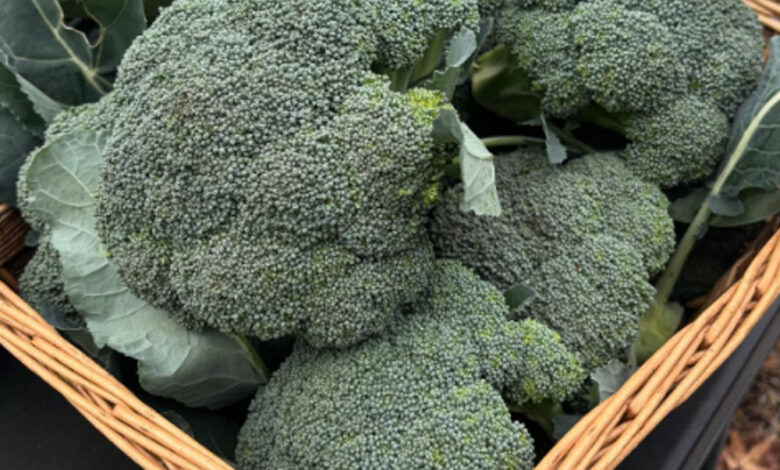
In the realm of nutritional science, few vegetables have earned as much consistent acclaim as broccoli (Brassica oleracea). As a prominent member of the cruciferous family—alongside kale, Brussels sprouts, and cauliflower—broccoli is often referred to as a “superfood,” not because of marketing hyperbole, but because of its dense concentration of bioactive compounds. Doctors and nutritionists frequently highlight broccoli as a dietary cornerstone because it provides a comprehensive profile of vitamins, minerals, and unique phytochemicals that are essential for maintaining human health at a cellular level.
Shutterstock
To understand why broccoli is so highly regarded, one must look at its nutritional architecture. It is a powerhouse of Vitamin C, a potent antioxidant that supports the immune system and collagen synthesis. Just one cup of raw broccoli can provide nearly 100% of the recommended daily intake for an adult. Additionally, it is an exceptional source of Vitamin K1, which is vital for blood clotting and bone metabolism. Beyond these common vitamins, broccoli contains significant amounts of folate (Vitamin B9), potassium, manganese, and iron. Its high fiber content is another critical attribute, supporting a healthy gut microbiome by acting as a prebiotic and aiding in efficient digestion and blood sugar regulation.
However, the true medical intrigue surrounding broccoli lies in its sulfur-containing compounds, specifically glucosinolates. When broccoli is chewed or cut, these compounds are broken down into biologically active metabolites called isothiocyanates. The most famous of these is sulforaphane. Extensive clinical research suggests that sulforaphane can enhance the body’s natural detoxification enzymes, protect cells from oxidative stress, and potentially lower the risk of chronic inflammatory diseases. Because oxidative stress and chronic inflammation are the root causes of many cardiovascular and metabolic conditions, incorporating broccoli into a weekly diet serves as a proactive measure for long-term physiological resilience.
Despite this impressive nutrient profile, the health benefits of broccoli are not a fixed constant; they are highly dependent on the journey the vegetable takes from the cutting board to the plate. Modern medical research emphasizes that the chemistry of broccoli is delicate. The enzyme responsible for converting glucosinolates into the health-boosting sulforaphane is called myrosinase. Myrosinase is heat-sensitive, meaning that if broccoli is subjected to harsh cooking conditions, this crucial enzyme can be deactivated, significantly reducing the vegetable’s therapeutic potential.
For those seeking to maximize their nutrient intake, steaming has emerged as the gold standard of preparation. Unlike boiling, where the vegetable is submerged in water, steaming uses indirect heat. This gentle method preserves the water-soluble vitamins, such as Vitamin C and B-complex vitamins, which would otherwise leach into the cooking liquid and be discarded. Furthermore, steaming for three to five minutes is usually enough to soften the tough cellulose fibers without destroying the myrosinase enzyme. When broccoli retains its vibrant, emerald-green hue and a slight crunch, it is a visual indicator that its chlorophyll and phytonutrients remain largely intact.
Microwaving, when done correctly, is a surprisingly effective runner-up. Because microwave cooking is rapid and requires very little water, it minimizes the duration of heat exposure and limits the leaching of minerals. However, the key is to avoid “drowning” the broccoli in a bowl of water; instead, a damp paper towel or a tiny splash of water is sufficient to create the necessary steam. On the other end of the spectrum, light sautéing or stir-frying can actually enhance the bioavailability of certain fat-soluble nutrients, such as Vitamin E and Vitamin K. When broccoli is tossed briefly in a healthy fat like extra virgin olive oil, the lipids help the body absorb these specific vitamins more efficiently.
Conversely, the most common mistake made in kitchens worldwide is over-boiling. When broccoli is boiled for ten minutes or more, up to 60% of its total antioxidant capacity can be lost. Not only do the nutrients seep into the water, but the high heat breaks down the texture, resulting in a mushy consistency and a dull, olive-drab color. This color change signals the degradation of chlorophyll and the loss of aromatic compounds that make the vegetable palatable. Furthermore, overcooked broccoli often releases a strong, sulfurous odor which can be off-putting, particularly to children or those with sensitive palates, leading to a psychological aversion that prevents regular consumption.
To truly optimize the broccoli experience, one must consider the plant as a whole. Many home cooks discard the stalks, focusing only on the florets. However, the stems are rich in fiber and contain a distinct concentration of nutrients that often exceeds the levels found in the florets themselves. By peeling the tough outer skin of the stalk and slicing the tender interior into “coins,” one can reduce food waste and gain extra nutritional value. Another professional tip frequently shared by nutritionists is the “hack and hold” method: cutting the broccoli and letting it sit for about forty minutes before cooking. This allows the myrosinase enzyme to fully react with the glucosinolates, creating a stable supply of sulforaphane that is more likely to survive the subsequent heating process.
Pairing broccoli with other foods can also create nutritional synergy. For example, adding a pinch of mustard seed or a drizzle of horseradish—both of which contain their own supply of myrosinase—can “re-activate” cooked broccoli that might have lost its enzymes during the heating process. Similarly, squeezing fresh lemon juice over steamed broccoli not only adds a bright acidity that cuts through the earthy flavor but also provides an extra boost of Vitamin C, which increases the absorption of the plant-based iron found in the florets.
Ultimately, the goal is to make broccoli a consistent part of one’s lifestyle rather than a sporadic “health food” chore. While raw broccoli offers the highest enzyme activity, many people find it difficult to digest or unappealing in large quantities. Therefore, finding a “tender-crisp” middle ground is essential. By mastering gentle cooking techniques like steaming or quick stir-frying, individuals can enjoy a vegetable that is both delicious and medically beneficial.
Consistency is the most important factor in nutritional health. Eating half a cup of properly prepared broccoli three to four times a week provides a steady stream of antioxidants and anti-inflammatory compounds that support heart health, bone density, and metabolic function. When we treat broccoli not just as a side dish, but as a complex biological tool, we empower ourselves to use nutrition as a primary form of preventative medicine. In the grand design of a healthy life, the simple act of choosing a steamer over a boiling pot can have profound long-term effects on our physical well-being.