Driving Safely at Every Age! How State Guidelines Support Older Drivers
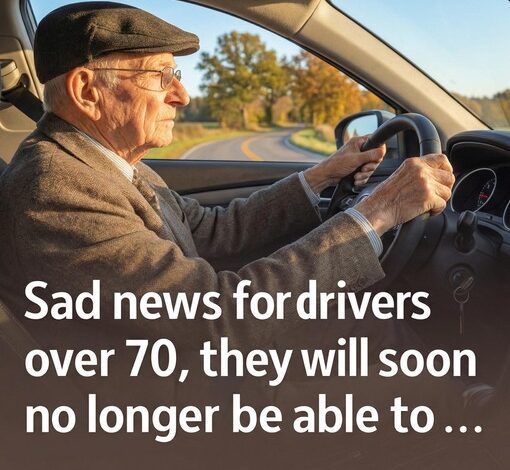
The concept of mobility is fundamentally intertwined with the human experience of freedom, and for the burgeoning population of older adults, the ability to operate a motor vehicle is far more than a logistical convenience. It serves as a vital artery to independence, enabling individuals to sustain social connections, manage essential household responsibilities, and attend medical appointments without the perceived burden of relying on external assistance. As we navigate the complexities of 2026, the dialogue surrounding senior driving safety has shifted from one of apprehension to one of empowerment. While it is natural for concerns to arise regarding aging and road safety, the reality is that a significant majority of older drivers continue to navigate the roadways with a high degree of skill and caution for many years. By fostering a culture of awareness and providing structured support, society can ensure that the transition into later-life driving remains both safe for the public and dignifying for the individual.
In the United States, the regulatory landscape for licensing is characterized by a decentralized approach, as there is no overarching federal age limit that mandates when a person must stop driving. Instead, the responsibility falls to individual states to craft licensing policies that strike a delicate balance between personal autonomy and collective road safety. These state-specific guidelines often include provisions such as more frequent license renewal cycles for seniors or the requirement that renewals be conducted in person to allow for direct observation. Additionally, many jurisdictions implement routine vision screenings or request comprehensive medical evaluations if specific health concerns are identified. It is crucial to understand that these measures are not designed as discriminatory barriers; rather, they serve as a constructive validation of a driver’s continued competency. For many seniors, successfully navigating these state requirements provides a renewed sense of confidence, confirming that they remain capable of handling modern traffic conditions safely.
The physical and cognitive changes associated with aging typically occur at a gradual pace, which can make them difficult to detect in the short term. A driver might notice that their vision is less acute during the twilight hours, that their reaction times have become slightly more measured, or that a decrease in physical flexibility makes checking blind spots or turning the steering wheel more strenuous. However, older drivers are often among the most self-aware cohorts on the road. Many naturally develop sophisticated compensatory strategies to mitigate these changes, such as restricting their travel to daylight hours, intentionally avoiding high-volume traffic corridors, or adhering strictly to familiar local routes. These proactive adjustments demonstrate a high level of responsibility and a commitment to maintaining safety without forfeiting the ability to travel.
For families, the subject of a loved one’s driving can be an emotionally charged topic, often fraught with tension and the fear of causing offense. Experts in geriatric care and road safety emphasize that the most effective approach is rooted in transparency and respect. Rather than waiting for a crisis to occur, families are encouraged to engage in ongoing, low-pressure conversations about mobility. These discussions should be supported by objective data, such as regular health checkups and professional medication reviews, which can identify potential side effects that might impair driving ability. Furthermore, many seniors find great value in voluntary driving refresher courses. These programs are designed specifically for older adults, providing them with the latest information on vehicle technology and defensive driving techniques, which allows them to stay informed and adjust their habits as needed without a loss of self-esteem.
The modern approach to senior mobility has moved away from rigid, age-based restrictions and toward a model of comprehensive, supportive solutions. Transportation agencies and community organizations are increasingly focused on providing education and health guidance that helps older adults maintain their safe driving habits for as long as possible. This shift in perspective recognizes that state licensing requirements are intended to protect the entire community, rather than to single out or marginalize any specific demographic. When older drivers are equipped with the appropriate tools to self-assess their abilities and the resources to adapt their lifestyles, the result is a measurable improvement in both personal safety and public confidence.
Maintaining a high level of mobility is a cornerstone of aging with dignity. When a senior can continue to drive safely, they remain active participants in their communities, contributing to the social and economic fabric of their neighborhoods. This involvement is a powerful antidote to the isolation and depression that can sometimes accompany the loss of independence. By prioritizing open communication and proactive health management, society can ensure that the “golden years” are not characterized by a shrinking world, but by a continued engagement with it. The goal is to move beyond the binary choice of “driving or not driving” and toward a more nuanced understanding of how to drive better and more safely as we age.
Ultimately, the narrative of the older driver in 2026 is one of resilience and adaptation. With the right combination of state-level oversight, family support, and personal awareness, driving can remain a safe and enriching component of everyday life well into one’s later years. This holistic support system ensures that every mile driven is a testament to an individual’s continued capability and a reflection of a society that values the independence of its eldest members. As we look toward the future, the continued integration of senior-focused safety programs and better infrastructure design will only further enhance the ability of older adults to navigate their world with the confidence and freedom they deserve. By treating driving as a skill to be nurtured and monitored rather than a right to be revoked based on a calendar, we foster a safer, more inclusive environment for road users of all generations.