Here are 10 things we all need to know about our blood type!
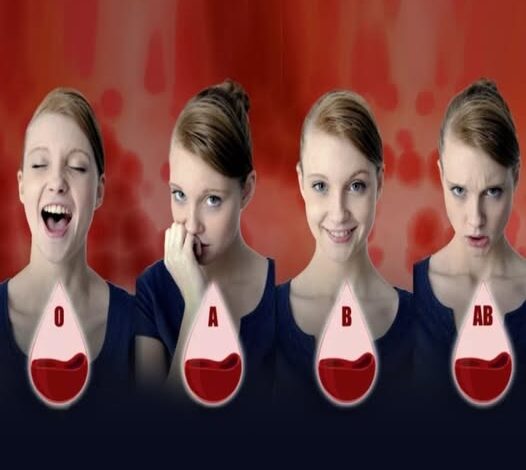
The complex biological landscape of the human body is governed by a river of life that remains one of the most sophisticated delivery and defense systems in existence. While blood appears uniform to the naked eye, its microscopic architecture reveals a world of diversity defined by antigens—specific proteins and sugars that grant each individual a unique hematological identity. This identity, known as our blood type, is far more than a medical classification for emergency transfusions; it is a fundamental blueprint that influences our systemic health, our vulnerability to chronic disease, and potentially even the way our bodies interact with the nutrients we consume.
The Microscopic Engine of the Human Body
To understand the significance of blood types, one must first appreciate the staggering complexity of blood itself. Produced within the hollow centers of our bones—the bone marrow—blood is a specialized connective tissue comprising several distinct components, each with a mission-critical role. In an average adult, approximately 25 trillion red blood cells, or erythrocytes, circulate through the vascular network. These cells are the body’s primary logistics fleet, utilizing the iron-rich protein hemoglobin to bind oxygen in the lungs and ferry it to every organ. Simultaneously, they collect carbon dioxide, the waste product of cellular metabolism, to be exhaled.
Supporting this fleet are the white blood cells, the specialized infantry of the immune system. Though fewer in number than their red counterparts, they are the body’s primary defense against viral pathogens, bacterial invasions, and internal mutations. Working in tandem with these cells are the platelets, the cellular “first responders” that aggregate at the site of vascular injury to initiate clotting and prevent life-threatening hemorrhage. Suspending all these components is plasma, a nutrient-dense, straw-colored liquid. Composed of water, proteins, mineral salts, and hormones, plasma provides the viscosity necessary for blood to navigate the narrowest capillaries while facilitating the transport of waste toward the kidneys and liver for excretion.
The Architecture of Identity: The ABO and Rhesus Systems
The concept of “blood type” arises from the presence or absence of specific antigens on the surface of the red blood cell membrane. These antigens act as a biological “name tag,” allowing the immune system to recognize its own cells and attack foreign invaders. The most widely recognized classification is the ABO system, which divides humanity into four primary groups: O, A, B, and AB. When paired with the Rhesus (Rh) system—a secondary classification based on the presence of the “D” substance—we arrive at the eight common blood combinations that define global populations.
As of early 2026, medical research has continued to delve into how these markers do more than just facilitate safe blood donations. They appear to be linked to the very core of our physiological resilience. For instance, the “O” blood type is often referred to as the “universal donor” in its Rh-negative form, but from an evolutionary perspective, it is also associated with certain ancestral strengths and modern vulnerabilities.
Ten Crucial Insights into Hematological Health
Understanding your blood type provides a window into your long-term health trajectory. Recent longitudinal studies have uncovered several critical links between blood group antigens and the risk of chronic illness.
1. Cardiovascular Risk and Genetic Predispositions: Statistical data has consistently shown that individuals with blood types A, B, and AB may carry a higher risk of cardiovascular events, including heart attacks and venous thromboembolism. This is attributed to the presence of specific genes that may influence blood viscosity and the levels of certain clotting factors. Conversely, those with type O blood appear to have a slightly lower risk of blood clots, though they may be more susceptible to certain types of ulcers.
2. Susceptibility to Infectious Diseases: Historically, blood types have evolved in response to the environment. Research suggests that certain blood types may offer a degree of protection against specific pathogens. For example, type O individuals have shown a notable resistance to severe malaria, whereas other types may have different defensive advantages against historical plagues or modern viral strains.
3. The Gut-Blood Connection: The antigens found on your blood cells are also often secreted in your digestive juices. This means your blood type can influence your “microbiome”—the vast colony of bacteria living in your gut. This connection suggests that how we process different food groups might be pre-programmed at a cellular level.
4. Metabolic Profiling and Diet: While the “blood type diet” remains a subject of ongoing clinical debate, many nutritional scientists in 2026 are exploring how blood-type-specific antigens react with “lectins”—proteins found in many foods.
- Type O: Traditionally associated with higher stomach acid levels, individuals with this type are often encouraged to focus on high-quality animal proteins.
- Type A: This group is often linked to lower levels of certain digestive enzymes, suggesting that a plant-forward or vegetarian-leaning diet may be more easily processed.
- Type B: Characterized by a more adaptable digestive system, this group often thrives on a diverse range of foods, including dairy and deep-sea fish.
- Type AB: As the rarest and most recent blood type in evolutionary history, this group often benefits from a “fusion” diet, prioritizing lean meats and seafood.
5. Stress Response and Cortisol Levels: Interestingly, blood type A has been linked to naturally higher levels of cortisol, the “stress hormone.” For these individuals, high-intensity exercise might actually be counterproductive, whereas calming activities like yoga or meditation can help regulate their internal chemistry.
6. Cognitive Health and Memory: Some studies have indicated that people with the AB blood type may have a slightly higher predisposition toward age-related cognitive challenges or memory issues, highlighting the importance of lifelong mental stimulation and heart-healthy habits for this group.
7. Fertility and Reproductive Health: Research in reproductive medicine has found correlations between blood type and certain fertility markers. For instance, some data suggests that women with type O blood may have lower egg counts over time, though they are by no means less likely to conceive.
8. Pancreatic and Gastric Cancer Links: Non-O blood types (A, B, and AB) have been studied for a statistically significant increase in the risk of certain cancers, specifically pancreatic cancer. This underscores the need for proactive screenings and a focus on anti-inflammatory lifestyles for these groups.
9. Transfusion Compatibility and the Rh Factor: While it seems basic, knowing your Rh factor is vital during pregnancy. If an Rh-negative mother carries an Rh-positive fetus, her body may develop antibodies that attack the baby’s red blood cells. Modern medicine provides highly effective treatments for this, but early knowledge is the key to safety.
10. The Power of Knowledge: In an era defined by personalized medicine, your blood type is a free piece of data that can guide your preventive health choices. It is a tool for empowerment, allowing you to tailor your lifestyle to your body’s specific biological architecture.
Conclusion
The story of our blood is a story of human survival. As we move further into 2026, a year characterized by both global uncertainty and incredible scientific leaps, the importance of individual health literacy has never been greater. Whether you are navigating a 13-nation geopolitical shift or simply trying to optimize your morning routine, understanding the 25 trillion red blood cells that define you is a fundamental step toward a longer, more resilient life. Our blood type is a legacy of our ancestors, a map of our current health, and a guide for our future well-being. By respecting the unique requirements of our hematological identity, we can move closer to a state of true, personalized health.