If You See Someone With These Tattoos, Call The Cops!
In the modern era, tattoos have evolved into a mainstream form of artistic self-expression, utilized by individuals from all walks of life to commemorate milestones, honor loved ones, or simply display beautiful imagery. However, beneath this surface of personal storytelling lies a complex and often dangerous lexicon of symbols used by criminal organizations. While many tattoos are harmless, certain designs serve as a silent broadcast of gang affiliation, criminal history, and violent intent. Understanding these markers is no longer a necessity reserved for law enforcement in major metropolitan areas like Los Angeles or New York; as gang activity permeates smaller towns and suburban neighborhoods, being able to identify these “telltale symptoms” has become a vital component of personal and community safety.
The primary function of a gang tattoo is to advertise membership, establish dominance over a specific territory, and communicate a wearer’s rank or “credentials” within a criminal hierarchy. For the average citizen, recognizing these symbols is not about judgment, but about situational awareness and the protection of one’s family. By becoming familiar with the specific imagery utilized by extremist groups and international syndicates, we can better navigate our environments and avoid potentially volatile interactions.
The Lexicon of Criminal Symbolism
One of the most recognizable yet misunderstood categories of criminal ink involves numeric codes used by white supremacist organizations. Members of the Neo-Nazi Aryan Brotherhood, for instance, frequently utilize the numbers “14” or “88.” In this context, “14” refers to the “Fourteen Words,” a foundational slogan within the movement, while “88” serves as a coded shorthand for “Heil Hitler” (as ‘H’ is the eighth letter of the alphabet). These tattoos are often seen in prison settings but have increasingly transitioned into the public sphere as a means of signaling ideological allegiance and group membership.
Equally prevalent is the spiderweb tattoo, most commonly located on the elbow or neck. Traditionally, this design has been a marker for individuals who have served significant time in a correctional facility. The “web” serves as a metaphor for being trapped behind bars or caught in the system. Over time, it has been adopted by various gangs to signify that the wearer has “earned their stripes” through a lengthy sentence and has likely joined a gang for protection or status while incarcerated.
Perhaps the most notorious of all criminal markers is the teardrop tattoo. Located just below the eye, its meaning can vary significantly depending on the region and the specific gang culture. In many circles, an outlined teardrop signifies that the wearer has lost a fellow gang member or a loved one. However, a solid, filled-in teardrop often carries a far more sinister connotation: it typically serves as a trophy, indicating that the wearer has committed a murder on behalf of their organization. Because of its permanence and high visibility, the teardrop remains one of the most serious declarations of criminal commitment.
Coded Geometry and Gang Life
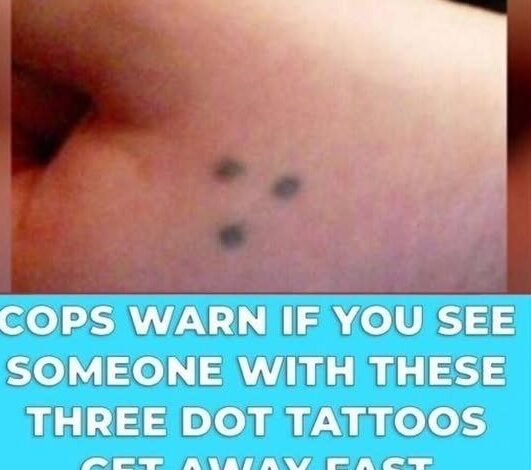
Small, geometric tattoos often hide significant meanings in plain sight. The “Three Dots” tattoo, typically found on the hand or near the eye, represents the phrase mi vida loca, or “my crazy life.” While this tattoo is not always tied to a specific gang, it is a universal symbol of the “gangster” lifestyle and an identification with a life of crime. Conversely, the “Five-Dot” tattoo—resembling the pattern on a die—carries a much more specific meaning. It represents time spent in prison, with the four outer dots symbolizing the walls and the center dot representing the inmate. This is a clear indicator of a “hardened” criminal history and a lengthy period of incarceration.
On a more international scale, the “MS” tattoo is a direct link to the Mara Salvatrucha, or MS-13. Established by immigrants from El Salvador, this organization has grown into one of the most violent and widespread gangs in the world. Members often tattoo “MS” or the number “13” in large, gothic lettering across their chests, backs, or even their faces. Known for their extreme brutality and random attacks, the presence of these markings is a significant red flag that warrants immediate distance and caution.
The Shifting Landscape of Public Safety
In the current climate of 2026, the challenge of managing gang-related crime has become increasingly complex. Public debates surrounding law enforcement funding and the “defund the police” movements of previous years have, in some regions, resulted in shifted resources that make it difficult for agencies to maintain the same level of proactive patrolling. Consequently, the responsibility of vigilance has shifted partially onto the community. Being aware of these signs is not about living in fear, but about being an informed participant in one’s own safety.
Vigilance and community awareness can, in the most literal sense, save lives. If you encounter an individual sporting multiple high-risk tattoos in a confrontational or suspicious context, the most prudent course of action is to maintain a safe distance and, if necessary, alert local authorities. Information is the best defense against the encroachment of gang culture into our daily lives.
A Holistic View of Community Wellness
While we must be vigilant against the threats of criminal activity, we must also remain attentive to the more positive developments in our communities and personal health. The digital world is full of surprises, much like the viral story of a daughter’s clever comeback that captured the internet’s heart—only for the family to discover a much more meaningful “real surprise” hidden behind the fame. These moments of connection remind us of the strength of the family unit in an often chaotic world.
Furthermore, wellness is not just about avoiding external threats; it is about nurturing the body. For instance, many are rediscovering traditional health remedies, such as the use of cabbage wraps. This simple, natural technique has gained popularity for its purported ability to soothe swollen joints and support thyroid health, proving that sometimes the best solutions are the most accessible ones.
Whether we are decoding the dangerous symbols of a local gang or learning a new way to care for our physical health, the underlying theme is the same: the power of knowledge. By staying informed about the world around us—from the ink on a stranger’s arm to the latest viral trends and health discoveries—we empower ourselves to live safer, healthier, and more connected lives. In a rapidly changing world, your attentiveness to detail is your greatest asset.