The Common Reasons Clothes Develop Small Holes Over Time!
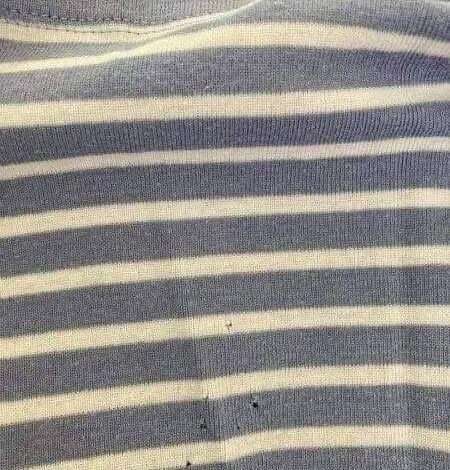
Discovering a constellation of tiny, mysterious holes in a favorite garment is a universal frustration that often leads to an immediate search for a culprit. While the mind frequently leaps to the image of hungry moths or elusive silverfish lurking in the depths of a closet, the reality of fabric degradation is usually far more mundane and mechanical. These perforations are rarely the result of a single catastrophic event; rather, they are the culmination of a slow, systemic breakdown of the textile’s structural integrity. Understanding the diverse factors that contribute to this wear—ranging from physical friction to chemical erosion—is the first step in transforming one’s relationship with their wardrobe and ensuring that well-loved pieces remain intact for years to come.
The most common architect of small holes is physical friction, a force that acts on our clothing every moment we are in motion. Textiles are composed of intricate webs of interlocking fibers, and like any structure, they have specific points of vulnerability. In contemporary fashion, the most frequent site for mystery holes is the lower front of shirts, specifically around the waistline. This is not a coincidence or a preferred feeding ground for insects; it is the primary impact zone for belt buckles, jean buttons, and the rough edges of kitchen countertops. As we lean against surfaces or move throughout the day, the fabric is repeatedly pinched and rubbed against these hard objects. Over weeks and months, this abrasion thins the fibers until they finally snap, leaving behind a small, round hole. Similarly, the frequent use of backpacks or messenger bags can create pilling and eventual holes on the shoulders and lower back of delicate tops through constant, repetitive rubbing.
The laundry room, intended to be a place of renewal, is often a hidden battlefield for fabric health. Modern convenience has encouraged habits that are inherently destructive to fine textiles. Overloading the washing machine is perhaps the most significant mistake. When a machine is packed to capacity, clothes cannot move freely; instead, they are forced to rub against one another with excessive force. This creates a high-friction environment where heavier items, like denim jeans or jackets, act as abrasives against lighter, more delicate cottons. Furthermore, the mechanical stress of high-speed spin cycles can pull and stretch fibers beyond their elastic limit. If a zipper is left unfastened or a bra hook remains open, these metal components act like tiny claws during the agitation cycle, snagging and tearing at surrounding garments.
The temperature and chemistry of the wash cycle are equally critical. High heat settings in both the washer and the dryer may be effective for sanitization, but they are devastating to the longevity of natural fibers. Excessive heat causes fibers like cotton, linen, and wool to become brittle and lose their natural oils, making them much more susceptible to snapping under minor stress. This is compounded by the overuse of chemical agents. Bleach is a powerful tool, but it is fundamentally corrosive; it works by breaking down the molecular bonds of stains, but it cannot distinguish between a stain and the fabric itself. When overused or poorly diluted, bleach creates “hot spots” of weakened fibers that may appear intact until they are subjected to the tension of a subsequent wash. Even the build-up of excess detergent can be harmful, leaving behind a stiff residue that makes fibers less flexible and more prone to breakage.
Preventing these frustrations requires a shift toward more mindful garment management. Preservation begins before the clothes even reach the washing machine. Fastening all hardware—zippers, snaps, and hooks—is an essential preventative measure that shields the rest of the load from mechanical damage. For lightweight knits, delicate silks, or embellished pieces, the use of mesh laundry bags provides a necessary physical barrier against the rigors of the machine. Sorting is also more than just a matter of color; sorting by weight ensures that heavy-duty workwear never has the opportunity to grind against thin t-shirts.
Equally important is the way we interact with our environment while dressed. Being conscious of the “abrasion zones” in our daily lives—such as a desk with a rough underside or a particularly sharp belt buckle—can allow us to make small adjustments, like tucking in a shirt or opting for a smoother belt design when wearing delicate materials. Rotating one’s wardrobe is another simple yet effective strategy. By not wearing the same favorite shirt every other day, you allow the fibers time to “rest” and recover from the mechanical stresses of wear and washing, effectively slowing the rate of cumulative damage.
Proper storage also plays a vital role in fiber health. While moths are often unfairly blamed for every hole, they are a real threat in certain environments, particularly for natural protein fibers like wool, silk, and cashmere. Storing these items in airtight containers or using natural deterrents like cedar and lavender can prevent infestations. Furthermore, the way clothes are hung or folded can impact their lifespan. Using thin, wire hangers can create “shoulder bumps” and put undue stress on the seams of heavy sweaters, eventually leading to holes at the pressure points. Switching to padded or wide-shouldered hangers, or choosing to fold heavy knits, redistributes the weight and preserves the garment’s shape.
Ultimately, the appearance of small holes is a signal from our clothes that the current system of care is unsustainable for the material at hand. While no fabric is immortal, and even the highest-quality textiles will eventually succumb to the passage of time, most “mystery holes” are entirely avoidable through a combination of physical protection and chemical moderation. By treating laundry as a gentle restoration process rather than a harsh industrial task, and by recognizing the physical interactions that define our daily wear, we can extend the life of our wardrobe significantly. This transition toward slow fashion and garment longevity is not just about saving money or preserving a favorite outfit; it is about developing a deeper respect for the resources and craftsmanship that go into the clothes we wear every day. Mindful care turns a wardrobe into a long-term collection, ensuring that your favorite pieces remain as pristine as the day they were first worn.