The Price of Loyalty Why We All Quietly Sell Our Souls for Less Than We Imagine
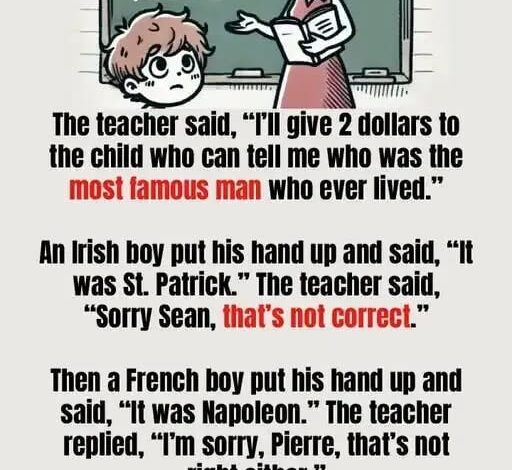
The narrative of a young boy choosing a two-dollar bill over a religious icon is often dismissed as a lighthearted joke, but beneath the laughter lies a sharp, uncomfortable mirror reflecting the human condition. It is a story about the intersection of identity and opportunity, exposing how quickly our most sacred beliefs can bend when a tangible reward is placed on the table. The humor acts as a gateway to a deeper recognition: the reality that most of us have, at some point, negotiated our values for far less than we claim they are worth. This phenomenon isn’t limited to childhood innocence; it is the quiet arithmetic of adult life.
Consider the classic tale of the impoverished suitor who proposes to a wealthy heiress, only to be rejected. Instead of mourning the loss of a partner or a shared future, he laments the “loss” of the million-dollar fortune he never actually possessed. This highlights a fundamental shift in how we perceive value. In this scenario, love is not an emotional bond but a financial calculation. The pain of rejection is replaced by the phantom pain of a missed investment. It suggests that our ideals are often just placeholders until a more profitable option presents itself, turning even our most intimate desires into a ledger of credits and debits.
Then there is the story of Stanley, a man presented with the opportunity to purchase a “magic desk” for five thousand dollars—a piece of furniture rumored to grant its owner unparalleled success. Stanley’s doubt isn’t rooted in a disbelief in magic, but in a skepticism of the price tag. He questions whether the wonder is worth the cost, effectively putting a ceiling on his own potential for awe. This cynicism is painfully familiar in a modern world where even the miraculous must justify its return on investment. We have become a society of skeptics who know the price of everything and the value of nothing.
These stories resonate because they peel back the veneer of our high-minded ideals to reveal the transaction beneath. Whether it is faith, love, or wonder, we are constantly assessing what—and who—is “worth it.” We like to believe our integrity is priceless, yet history and humor suggest that everyone has a breaking point, a number that turns a conviction into a commodity. The Jewish boy in the story isn’t a villain; he is a pragmatist. He recognizes that while Moses offers spiritual guidance for the afterlife, two dollars offers a chocolate bar in the present.
This “quiet arithmetic” defines our social and professional interactions. We choose the prestigious job over the fulfilling one because the math makes more sense. We maintain toxic connections because the social capital is too high to liquidate. We sell out our time, our energy, and our beliefs in small, incremental installments, rarely noticing that the sum total of these sales is our very identity. The humor in these parables works because it forces us to acknowledge the parts of ourselves we usually keep hidden in the shadows of our bank statements.
Ultimately, these narratives challenge us to look at the “aftertaste” of our choices. When the transaction is complete and the initial thrill of the gain fades, what remains? If value is never what it appears on the surface, then perhaps the most expensive thing we own is the integrity we’ve managed to keep off the market. The mirror these stories hold up isn’t meant to condemn us, but to remind us that as long as we are calculating the cost of our souls, we are missing the true value of living a life that isn’t for sale.