Using rice as a teeth-whitening trick has gained attention as a quick!
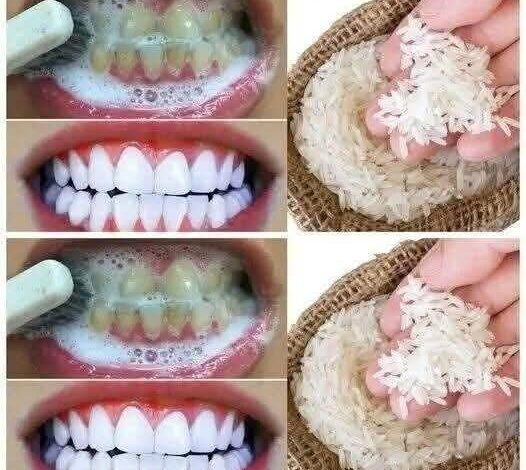
In the rapidly evolving landscape of social media beauty trends, the promise of a brighter, whiter smile in mere minutes has led to the viral surge of a particular kitchen-based “hack”: using rice flour as a teeth-whitening agent. Often framed as a natural, cost-effective alternative to professional dental treatments, videos promoting this method claim that a simple mixture can lift stains and polish enamel in just sixty seconds. However, while the visual results can be immediate and striking, dental professionals are sounding the alarm. Beneath the surface-level appeal of this DIY routine lies a precarious interaction between abrasive materials and acidic chemistry that may offer a momentary cosmetic gain at the cost of permanent, irreversible dental damage. To understand the true impact of this trend, it is essential to deconstruct how these ingredients behave when applied to the most critical structure in your mouth: the enamel.
The recipe commonly circulating through online platforms involves grinding raw rice into a fine, particulate powder and combining it with lemon juice, olive oil, and a small amount of standard toothpaste. On paper, the logic seems sound to the layperson. The rice flour acts as a physical scrub, the lemon juice serves as a bleaching agent, and the olive oil provides lubrication. When this paste is brushed onto the teeth, the initial brightness people report is real, but it is fundamentally misleading. This immediate “glow” is the result of two primary factors: mechanical abrasion and chemical dehydration. Rice flour is a grit-based material; when rubbed against the teeth, it effectively scours away extrinsic stains—the surface-level discolorations caused by a morning coffee, a glass of red wine, or tobacco use. This is not “whitening” in the biological sense; it is a form of industrial-style polishing that relies on friction to scrape away the outermost layer of buildup.
The danger intensifies with the addition of lemon juice. Citric acid is a potent substance that, while natural, is highly corrosive to dental structures. When applied to the teeth, the acid begins to dissolve the mineral content of the enamel almost instantly. This process, known as demineralization, softens the tooth surface, making it even more vulnerable to the abrasive qualities of the rice flour. Furthermore, the acid causes the enamel to dehydrate. Dehydrated enamel changes its optical properties, reflecting light in a way that makes the tooth appear temporarily whiter and more opaque. However, this is a transient effect. Once the teeth rehydrate through natural salivation, the brightness often vanishes, frequently leaving the teeth looking duller than they were before the treatment began.
The core of the problem lies in the fact that tooth enamel, the hardest substance in the human body, is also one of the few that cannot regenerate. Unlike skin or bone, once enamel is worn away or dissolved by acid, it is gone forever. Repeated use of a rice flour and lemon juice mixture creates a compounding cycle of erosion. As the protective enamel layer thins, it begins to reveal the dentin underneath. Dentin is naturally yellowish and much softer than enamel. Paradoxically, the more a person uses this “whitening” hack to achieve a bright smile, the more they risk exposing the yellow hues of the dentin, leading to a smile that looks darker and more discolored in the long run.
Beyond the aesthetic concerns, the health implications of thinning enamel are severe. Enamel serves as the primary shield against temperature fluctuations and bacterial invasion. As this shield is compromised by DIY abrasives, patients often report a sharp increase in tooth sensitivity. Activities as simple as drinking cold water or enjoying a hot soup can become painful. Moreover, weakened enamel is significantly more prone to micro-cracks and cavities. These tiny fissures become breeding grounds for bacteria, which can lead to deeper decay and eventually require invasive clinical interventions like root canals or crowns. What was intended as a one-minute beauty trick can quickly evolve into a multi-year dental nightmare.
It is also important to address the role of toothpaste in these viral mixtures. Many proponents claim that adding a pea-sized amount of fluoride toothpaste “protects” the teeth from the other ingredients. This is a significant misunderstanding of dental chemistry. While fluoride is essential for remineralizing enamel, it cannot effectively counteract the immediate, aggressive erosive force of concentrated citric acid combined with a raw abrasive. In fact, brushing with an abrasive like rice flour immediately after exposing the teeth to acid is the worst possible timing; the enamel is at its softest state, and the mechanical action of the brush ensures that more of the protective surface is scrubbed away.
For those who are genuinely concerned about the shade of their teeth, the dental community advocates for a philosophy of protection over “spectacle.” Whiter teeth are a byproduct of healthy habits rather than a result of aggressive chemistry. Safe alternatives exist that respect the integrity of the enamel. For example, oil pulling with organic coconut oil has gained favor as a way to reduce the bacterial load and plaque buildup that can make teeth appear dingy, all without the use of acids or grits. If a mechanical polish is desired, using a small amount of baking soda once a week is a much safer, lower-abrasion alternative to rice flour, provided it is not mixed with citrus.
Furthermore, the most effective “natural” whitening comes from prevention and maintenance. Simple adjustments, such as rinsing the mouth with plain water after consuming staining agents or eating crunchy, high-fiber vegetables like celery and carrots, can help keep surface stains at bay. For those seeking more dramatic results, ADA-approved whitening products are designed to be “enamel-safe.” These professional-grade gels use controlled concentrations of peroxides that penetrate the tooth to break down internal stain molecules through oxygenation, rather than stripping away the tooth’s physical structure.
In an age where viral trends can spread misinformation faster than a clinical study can debunk it, the rice flour whitening hack serves as a cautionary tale. It preys on the universal desire for a quick fix and the common misconception that “natural” is synonymous with “safe.” A truly confident smile is one that is built on a foundation of structural health. It is far better to have a slightly off-white smile with strong, thick enamel than a brilliantly white smile that is sensitive, brittle, and failing.
Ultimately, dental care is an investment in longevity. The choices made today regarding at-home treatments will dictate the health of one’s smile decades into the future. By rejecting high-abrasion hacks in favor of gentle, science-backed methods, individuals can protect their enamel and maintain a smile that is not only bright but resilient. Real beauty in dentistry is found in the strength of the tooth, the health of the gums, and the preservation of the body’s natural defenses. Before reaching for the rice in the pantry, it is worth remembering that your teeth are meant to last a lifetime, and they deserve better than a sixty-second experiment.