Why Your Veins Become More Visible and What It Means for Your Health!
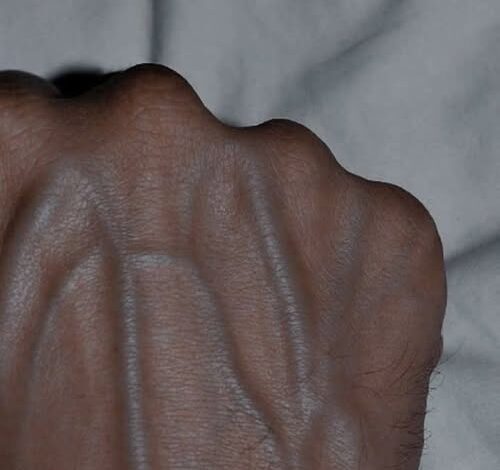
Veins naturally shift in how visible they appear throughout a person’s life, and for most people, prominent veins are simply part of normal physiology. Countless everyday conditions—heat, exercise, aging, genetics, weight changes, and even tight or restrictive clothing—can pull veins closer to the surface or make them look more defined. Warm temperatures cause blood vessels to widen as the body tries to cool itself, which can make veins stand out more clearly. Intense workouts, heavy lifting, or activities that increase blood flow will also cause temporary bulging as muscles swell and circulation ramps up. Some people are simply born with thinner skin or lighter complexions that make veins easier to see. These familiar explanations account for why visible veins are usually harmless and don’t necessarily indicate an underlying problem.
Still, changes in vein appearance shouldn’t be ignored entirely. When veins begin to ache, swell, or shift in color, the cause can be more than cosmetic. These symptoms often point to inefficient blood flow, especially in veins that have been stretched or weakened over time. When the valves inside the veins fail to push blood upward as effectively as they once did, pressure builds. The vein expands, twists, or bulges, creating what most people recognize as varicose veins. They tend to appear in the legs because the veins there work hardest—constantly fighting gravity to return blood to the heart. Their appearance in the arms is less common but not unheard of, particularly for people with strenuous upper-body activity or naturally thin skin. While many people with varicose veins experience nothing more dramatic than a dull heaviness or occasional throbbing, others find them uncomfortable, especially after long days on their feet.
Several factors increase the likelihood of developing these enlarged veins, and many are tied to daily habits or natural life changes. Genetics is one of the strongest predictors—if a parent or grandparent had varicose veins, chances are higher that the next generation will develop them too. Hormonal shifts during pregnancy often make veins more visible, since the body increases its blood volume and relaxes vessel walls to support the developing baby. Smoking weakens blood vessels and reduces circulation, amplifying risks even further. Standing or sitting in the same position for long periods forces blood to pool in the legs, and carrying extra weight puts additional strain on the circulatory system as a whole. These combined forces shape how veins look on the surface and how efficiently they perform beneath it.
Fortunately, early intervention and simple daily habits can make a significant difference. For mild cases, lifestyle changes are often enough to ease symptoms and prevent worsening. Elevating the legs at the end of the day helps blood flow back toward the heart, relieving pressure that builds while standing or walking. Consistent physical activity—not intense exercise, just steady movement—encourages circulation and keeps veins from stiffening. Compression stockings remain one of the most effective tools; they apply gentle pressure that supports the veins’ structure and reduces swelling. When lifestyle strategies aren’t enough, medical options range from minimally invasive procedures that close or shrink affected veins to injection therapies designed to seal off problem areas so blood can reroute through healthier pathways. These treatments are far less invasive than traditional surgery and offer quicker recovery times, making them popular for people who want relief without major downtime.
While complications from varicose veins are uncommon, they can happen when the condition is left untreated for extended periods. One potential issue is the development of venous ulcers—slow-healing wounds that typically form near the ankles when circulation is compromised. Another concern is blood clot formation inside deep or surface veins, which always warrants medical attention. The earlier these problems are addressed, the easier they are to manage, and the less likely they are to escalate. That’s why many physicians emphasize routine checkups, especially for people with a strong family history or new symptoms that appear unexpectedly.
Many preventive habits are straightforward and accessible to most people. Staying active, even through short daily walks, encourages strong circulation. Choosing looser, more breathable clothing—particularly around the waist and thighs—reduces unnecessary tension on blood vessels. Avoiding smoking supports overall cardiovascular health and lowers the risk of vein deterioration. Maintaining a healthy weight reduces strain on both the circulatory and lymphatic systems. These simple choices collectively contribute to long-term vein health, keeping discomfort at bay and lowering the chance of complications.
Visible veins can be frustrating or alarming at first, but they rarely signal a dangerous condition on their own. For most people, they’re a natural and harmless result of genetics, daily habits, and environmental factors. However, paying attention to changes—new swelling, unusual colors, or persistent pain—helps distinguish between normal variations and potential circulation issues that might need evaluation. A proactive approach encourages better understanding of the body’s signals and supports healthier veins throughout life.