The Heartbreaking Truth Behind the Search for Perla Alison, How a Quick Trip for Candy Ended in a National Tragedy That Shook Mexico City
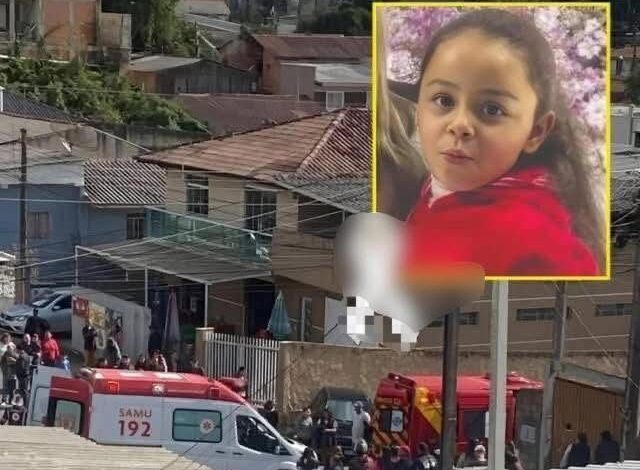
The Santa Martha Acatitla neighborhood in Mexico City is a place where the rhythms of daily life usually hum with a familiar, predictable energy. Neighbors greet one another from doorsteps, street vendors call out their daily specials, and children are often seen running short errands for their parents, a testament to the community’s sense of shared space. But that sense of normalcy was shattered on a Friday that began like any other, setting into motion a sequence of events that would eventually mobilize an entire nation and culminate in a discovery that has left a city in mourning.
Ten-year-old Perla Alison was a child whose presence was a light in her family’s home. On that fateful Friday afternoon, she stepped out of her front door with a simple, innocent mission: she wanted to buy candy from a nearby store just a few blocks away. It was the kind of routine trip that millions of children make every day, a small exercise in independence that no one could have imagined would be her last. When the minutes stretched into an hour, and the hour into an evening, the atmosphere in the neighborhood shifted from casual concern to a frantic, cold realization. Perla was gone.
The response from her family was immediate and desperate. By the time the sun set on Friday, the local authorities had been alerted, and the gears of the legal system began to turn with a rare, urgent speed. A nationwide Amber Alert was issued, flashing Perla’s name and photograph across television screens and highway billboards from the border to the coast. In an age of digital connectivity, the search for Perla Alison became a viral phenomenon. Social media platforms were flooded with her image—a bright-eyed girl with a life full of potential—as thousands of strangers shared her story, hoping that a collective digital eye might spot her in a crowd or a distant town.
On the ground, the search was even more visceral. Volunteers who had never met the family joined relatives in canvassing the streets. They distributed thousands of flyers, taped posters to telephone poles, and walked through the winding alleys of the neighborhood, calling her name until their voices were hoarse. For four days, the city held its breath. There was a flickering hope that she had simply lost her way or was being held somewhere, waiting for a rescue. But as the weekend bled into Monday, the silence from the investigation grew heavy.
The end of the search came on a Tuesday evening, not through a dramatic police raid or a miraculous tip, but through the grim observation of a resident living near the Constitución de 1917 metro station. The area, known for a rundown building and abandoned lots often bypassed by the daily rush of commuters, became the center of a horrific scene. A neighbor noticed a pervasive, unsettling odor emanating from a vacant lot and contacted emergency services.
When officers from the Secretariat of Citizen Security arrived and sealed off the perimeter, the hope that had sustained the community for ninety-six hours was finally extinguished. Forensic specialists from the Mexico City Attorney General’s Office were called to the scene to recover the body. It was confirmed to be Perla Alison. The discovery was not just a tragedy; it was a testament to the darkness that can hide in plain sight. Reports from the scene indicated that the child’s body showed clear and unmistakable signs of violence, suggesting that her final moments were defined by a terror no child should ever know.
The news of the discovery ripped through the Santa Martha Acatitla neighborhood like a physical blow. The abandoned lot, once just another piece of neglected urban landscape, was suddenly transformed into a makeshift shrine. Candles were lit, white flowers were piled against the yellow police tape, and a community that had searched together now wept together. The grief was quickly joined by a searing, righteous anger. How could a ten-year-old girl disappear during a five-minute walk to a candy store in broad daylight? How could the city’s safety net fail so catastrophically?
In response to the evidence found at the scene, authorities have officially opened an investigation under the protocol of femicide. This classification is significant; it acknowledges that the violence perpetrated against Perla was not a random act, but part of a deeper, systemic issue of gender-based violence that continues to plague the region. Investigators are now meticulously retracing Perla’s final steps, reviewing security footage from local businesses and the metro station, and interviewing dozens of potential witnesses in a desperate bid to identify the monster responsible for this act.
The loss of Perla Alison has transcended a local police report to become a symbol of a national crisis. Her story has reignited the conversation regarding the safety of children and the effectiveness of the “Amber Alert” system when faced with the speed of modern crime. For the residents of Mexico City, the abandoned lot near the metro station stands as a grim reminder that the most vulnerable among us are often the ones who pay the highest price for societal failures.
As the investigation continues, the demand for justice is deafening. Protests have begun to take shape, with citizens demanding not just an arrest, but a fundamental shift in how the state protects its youth. For Perla’s family, the candy store trip that turned into a four-day nightmare has left a hole that no legal victory can ever fill. They are left with the memories of a ten-year-old girl who just wanted a sweet treat on a Friday afternoon, and a city is left wondering how many more names must be added to the list of the lost before true change arrives.
Perla Alison’s name is now etched into the collective memory of Mexico City, a somber reminder of a life cut short and a call to action for a society that must do better. The candy store remains on the corner, and the metro continues to roar past the station, but the neighborhood will never be the same. The silence that followed the four-day search is now filled with the voices of thousands crying out for justice, ensuring that while Perla was found in the shadows, her story will remain firmly in the light until those responsible are held to account.