That Small Lump Might Be Nothing—But Here’s When It Could Signal a Bigger Problem
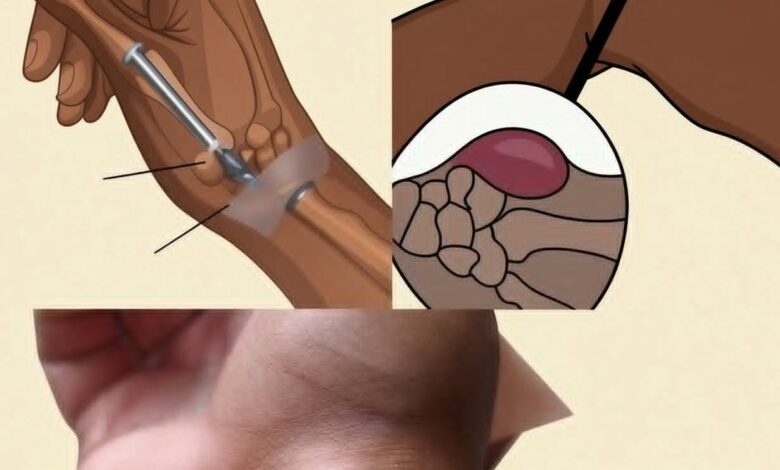
Discovering a lump beneath the skin can produce immediate fear, but many lumps have ordinary, noncancerous causes. Cysts, lipomas, irritated tissue, and temporarily enlarged lymph nodes are common. Appearance alone cannot establish a diagnosis, so the most useful response is to observe relevant changes and seek medical advice when warning signs are present.
A lipoma is a growth made of fatty tissue. It usually develops slowly, feels soft or rubbery, and may move slightly beneath the skin when pressed. Lipomas are generally harmless and often require no treatment unless they become painful, interfere with movement, continue enlarging, or create another practical problem.
Cysts can also form visible or palpable bumps. They may contain fluid, keratin, or other material and can remain stable for long periods. Some become inflamed or infected, causing redness, warmth, tenderness, or drainage. Squeezing or puncturing a cyst at home can worsen inflammation and introduce bacteria.
Lymph nodes are part of the immune system and commonly enlarge during infection. They are concentrated around the neck, beneath the jaw, in the armpits, and in the groin. A recent cold, sore throat, dental problem, or skin infection may explain temporary swelling. Nodes often decrease as the illness resolves.
Persistence matters. A lump that remains for several weeks without a clear explanation should be discussed with a healthcare professional. The same is true when it continues growing or returns repeatedly. Duration alone does not prove something serious, but it helps a clinician decide whether examination or testing is appropriate.
Certain characteristics deserve faster attention. A rapidly enlarging lump, one that feels unusually hard or fixed, or swelling accompanied by significant pain should not be ignored. Redness, heat, fever, or pus can suggest infection. Changes in nearby skin, unexplained bleeding, or loss of function also require assessment.
General symptoms add context. Unexplained weight loss, persistent night sweats, prolonged fever, unusual fatigue, or multiple enlarged lymph nodes may lead a doctor to investigate more broadly. These symptoms have many possible causes, but their presence alongside a lump increases the need for evaluation.
Location can influence urgency. A new breast or testicular lump, neck mass affecting swallowing or breathing, swelling after a serious injury, or a pulsating mass needs prompt professional attention. Any lump in a child that grows rapidly or makes the child unwell should be examined.
Repeatedly pressing a lump can irritate tissue and make it harder to judge change. Instead, note its location, approximate size, tenderness, mobility, and the date it was first noticed. A photograph or simple measurement may help document progression, but it should not replace examination.
A clinician may use history and touch to identify an obvious cyst or lipoma. When uncertainty remains, ultrasound, blood tests, imaging, or a small tissue sample may be recommended. Testing is not proof that cancer is expected; it is the method used to replace guessing with evidence.
Most small lumps ultimately have manageable explanations. The goal is neither panic nor dismissal. Pay attention, avoid home procedures, and obtain medical advice when the lump persists, changes, or has concerning features. Early evaluation provides reassurance when the cause is harmless and creates a faster path to treatment when it is not.
People sometimes delay appointments because they fear receiving bad news. That avoidance rarely makes uncertainty easier. A clinician may identify a benign cause immediately, ending weeks of anxiety. If testing is needed, arranging it sooner provides clearer information and more options. Online photographs can help people learn general possibilities, but lighting, angle, and touch cannot replace medical examination. The safest decision is based on how the lump behaves and the person’s overall health, not on whether it resembles one image found online.