Young Mother Dies Less Than 24 Hours After Giving Birth to Triplets A Heartbreaking Reminder of Maternal Health Risks
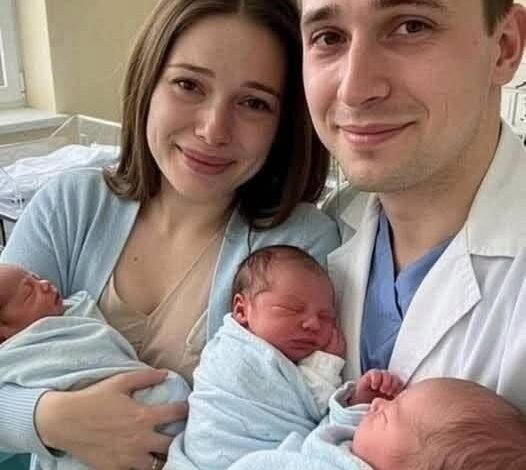
Aaliyah, a 19-year-old mother described in the report, died less than 24 hours after giving birth to triplets. Her babies survived, but the hours that should have opened a new chapter for the family instead became a warning about how quickly serious complications can appear after delivery.
Multiple pregnancy places extraordinary demands on the body. Even after the babies are born, the mother’s circulation, hormones, uterus, and clotting system continue changing rapidly. The postpartum period is not simply the end of pregnancy. It is a medically important phase that requires observation and a willingness to respond when symptoms do not feel right.
The account says Aaliyah developed shortness of breath while still in the hospital. That symptom was treated as exhaustion and a need for rest. Her condition worsened, and her heart later stopped. The report raises possibilities such as a blood clot in the lungs, amniotic fluid embolism, or pregnancy-related heart disease, but it does not provide a confirmed medical cause.
That distinction matters. Only clinicians with access to her records could determine what happened. The lasting lesson is not to diagnose every breathless new mother from a distance. It is to recognize that sudden or severe difficulty breathing after birth needs immediate medical evaluation.
Pregnancy-related emergencies can occur during pregnancy, at delivery, or after the patient goes home. The CDC’s Hear Her campaign advises pregnant and recently pregnant people to seek care immediately for urgent warning signs and to tell providers that they are pregnant or were pregnant within the previous year.
Those signs include trouble breathing, chest pain, a fast or pounding heartbeat, a severe headache that does not improve, vision changes, fever of 100.4 degrees Fahrenheit or higher, heavy bleeding, severe swelling, intense abdominal pain, fainting, or thoughts of harming oneself or the baby. A strong feeling that something is seriously wrong also deserves attention.
Not every headache, swollen ankle, or tired moment indicates a crisis. Recovery after delivery is physically demanding, particularly after carrying triplets. The danger lies in dismissing severe, sudden, worsening, or unusual symptoms as normal without proper assessment.
Family members can help by listening carefully. Instead of saying that exhaustion is expected, they can ask specific questions, note when symptoms began, contact the maternity team, and accompany the mother to urgent care or an emergency department. If breathing is difficult, bleeding is heavy, the person faints, has chest pain, or appears acutely unwell, emergency help should not be delayed.
The source cites older estimates of hundreds of pregnancy-related deaths and tens of thousands of life-threatening complications in the United States each year. The exact annual numbers change, but the underlying problem is clear. Serious maternal complications still occur, and many deaths may be preventable when warning signs are recognized and care arrives quickly.
Risk is not distributed equally. Black and Indigenous women in the United States have experienced substantially higher pregnancy-related mortality than white women. Those disparities cannot be explained simply by individual behavior. Access to care, delayed recognition, unequal treatment, chronic stress, and structural problems all influence outcomes.
Patients carrying twins, triplets, or more may need closer monitoring during pregnancy and after delivery because multiple gestation increases the chance of complications. A discharge plan should explain who to call, which symptoms require immediate care, how medications should be used, and when follow-up will occur.
Aaliyah’s story is especially painful because the babies will learn about their mother through photographs and family memories. Their surviving parent and grandparents face the work of raising three infants while grieving the young woman they lost.
No family should have to become an expert during an emergency. Hospitals and maternity teams need systems that take postpartum complaints seriously, communicate warning signs clearly, and make follow-up accessible. Patients should not have to prove they are sick enough to deserve attention.
The practical message is simple. After birth, do not ignore sudden shortness of breath, chest pain, heavy bleeding, severe headache, vision changes, fever, fainting, or a rapidly worsening condition. Seek medical care and clearly state that the patient recently gave birth. Being persistent is not impolite when a life may depend on being heard.