Dont get fooled by the supermarkets Theyre selling you meat from See more
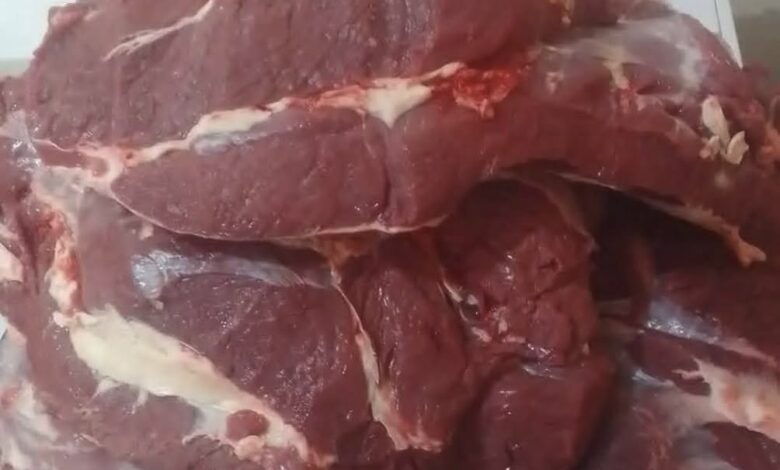
Bright red meat may look like the freshest option in a supermarket case, but color alone cannot tell you whether a package is fresh or good value. Meat changes color naturally as its pigments react with oxygen, packaging, light, storage conditions, and time.
Fresh beef protected from air in vacuum packaging can appear deep purple or burgundy. Once the package is opened and the surface meets oxygen, myoglobin in the muscle forms oxymyoglobin and the meat becomes the cherry red many shoppers associate with freshness. Continued exposure to oxygen and store lighting can later produce a brownish-red color. That change by itself does not automatically mean the meat has spoiled.
This natural chemistry creates an easy misconception. A shopper may reject a darker vacuum-sealed cut even though it is fresh, then pay more for a brighter package that has simply been exposed to oxygen or displayed under lighting that emphasizes red tones. Appearance matters, but it must be read alongside other information.
Retailers design displays to make food look attractive. Clear wrapping, bright lighting, neat arrangement, and strategic placement all influence buying decisions. None of those practices automatically indicates wrongdoing. They do mean consumers should look past presentation before deciding that one package is newer or better than another.
Marketing language deserves the same attention. Phrases such as freshly cut, premium quality, butcher selection, or farm fresh may sound reassuring, but not every promotional phrase represents an official quality grade. Read the complete label, including the type of meat, inspection information, storage instructions, package date, and any use-by guidance.
Check the physical condition of the package. Avoid trays or bags that are leaking, torn, swollen, or no longer cold. Excess liquid can be a quality concern, while broken seals increase the chance of contamination. A package should feel properly refrigerated when you pick it up.
Smell and texture become useful after opening. Fresh meat generally has a mild odor and a firm texture appropriate to the cut. A persistent unpleasant smell, sticky or slimy surface, or several signs of deterioration together are stronger reasons for concern than color alone. When in doubt, do not taste questionable raw meat to test it.
Plan the trip home before putting meat in the cart. Select refrigerated products near the end of shopping, keep raw packages separate from ready-to-eat foods, and use an insulated bag when travel time or hot weather could allow the food to warm. Refrigerate or freeze it promptly after arriving home.
Safe cooking matters even when the package looked perfect. Harmful bacteria cannot be identified reliably by color or smell. Use a food thermometer and follow safe internal-temperature guidance for the particular cut and type of meat. Keep raw juices away from vegetables, bread, and other foods that will not be cooked.
Dates on packages help stores and consumers manage quality, but a printed date is not the only safety test. Storage temperature, seal condition, handling, and the time spent outside refrigeration all affect the product. A package within its date can still be mishandled, while properly frozen meat can remain safe beyond a store’s quality date.
Most supermarkets and butcher shops operate under food-safety rules, and a bright display is not evidence of deception. The real trick is the assumption that the reddest cut must be the freshest. Oxygen can make beef brighter, while fresh vacuum-packed beef may look unexpectedly dark.
A careful shopper compares the entire package instead of one visual cue. Look at labeling, refrigeration, the seal, the amount of liquid, the date, and how the meat will be transported and stored. Those checks offer a more reliable picture of safety and value than color under display lights.