If this is growing in your yard, you may be throwing away a nutritional powerhouse.
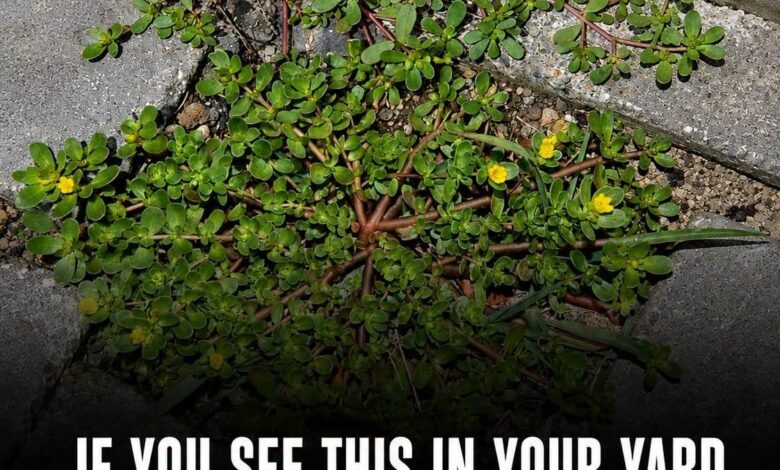
Purslane often appears in gardens, sidewalks, and cracks where it is immediately treated as a weed. Its low-growing reddish stems and fleshy green leaves spread quickly during warm weather, leading many homeowners to pull it without realizing the plant is edible and nutritionally interesting.
Known scientifically as Portulaca oleracea, purslane has been eaten in multiple cultures for centuries. It can grow in difficult, dry conditions because its succulent leaves store water. That toughness explains why it appears where more delicate garden plants struggle.
One of purslane’s unusual features is its content of alpha-linolenic acid, a plant-based omega-3 fatty acid. Omega-3 fats contribute to normal body functions and are commonly associated with heart and brain health. Purslane does not replace fish or other major sources, but it is notable among leafy vegetables.
The plant also supplies antioxidants and pigments that help protect its own tissues. As part of a varied diet, antioxidant-containing foods contribute compounds involved in the body’s defenses against oxidative stress. No single plant should be presented as a cure or miracle treatment.
Purslane contains minerals including magnesium, potassium, and calcium, along with vitamins and other nutrients. Amounts vary according to soil, maturity, and preparation. Its nutritional value is strongest when understood as one component of a balanced diet rather than a substitute for medical care.
Young leaves and tender stems have a crisp texture and slightly tangy, salty flavor. They can be washed and added raw to salads and sandwiches, stirred into soups, or cooked with vegetables. Cooking changes the texture and can soften the plant’s natural acidity.
Correct identification is essential. Never eat a wild plant based only on a viral photograph. Purslane can be confused with other low-growing plants, including species that should not be consumed. A local extension service, botanist, or experienced forager can help confirm identification.
The growing location matters just as much. Plants collected beside busy roads, in treated lawns, around contaminated soil, or where pesticides and herbicides have been applied should not be eaten. Wash edible purslane thoroughly and avoid harvesting from areas exposed to animal waste or industrial pollution.
People with health conditions requiring dietary restrictions should also be cautious. Purslane contains oxalates, which may matter to individuals advised to limit them because of certain kidney-stone risks. Anyone with relevant medical concerns should seek personalized advice instead of assuming that “natural” means suitable for everyone.
Gardeners who do not want purslane spreading should control it before it produces seed, because one plant can create many seeds. Those who choose to grow it intentionally can harvest tender growth while managing its expansion.
The broader lesson is that the word weed describes a plant growing where someone does not want it; it does not automatically mean useless. Purslane can be both persistent and valuable. Before throwing it away, identify it safely, consider where it grew, and decide whether this resilient plant belongs in the compost—or on the plate.
If cultivated deliberately, purslane can be grown in a clean container rather than gathered from uncertain ground. Use verified seed or a positively identified plant, avoid chemical treatments, and harvest before stems become tough. Refrigerate washed leaves and use them promptly. Gardeners should also remember that edible does not mean unlimited: a diverse plate remains preferable to relying heavily on one wild green. Purslane’s real value is practical rather than miraculous. It turns a familiar nuisance into an optional food while encouraging people to learn more carefully about the plants around them. Knowledge makes the difference between responsible use and a risky guess.
That careful approach preserves both benefits: a safer meal and a garden managed with greater understanding instead of automatic removal.