These Are the First Symptoms of Sleeping with Pets (And How to Rest Easy Anyway)
Sharing a bed with a dog or cat can feel comforting, but it may also introduce allergens, movement, heat, and debris into the place where a person spends many hours each night. The earliest signs are often mild, and they do not automatically mean the pet must leave the home. They do suggest that the sleep environment deserves attention.
A morning tickle in the throat, sneezing, or a runny nose can be a first clue. Pet allergy is not usually an allergy to hair itself. Proteins in dander, saliva, and urine can trigger symptoms, while fur can carry pollen and dust collected outdoors. When an animal sleeps close to a person’s face, those particles remain near the nose and mouth for hours.
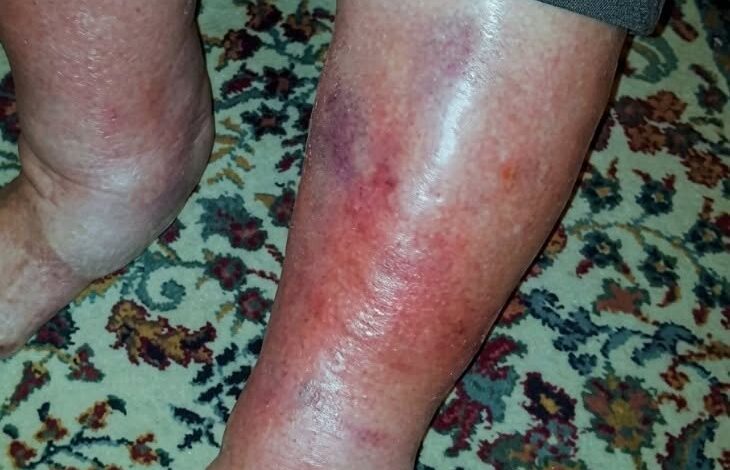
Small itchy bumps or dry irritated patches may also appear. Possible explanations include contact with saliva or dander, a flea problem, or an unrelated skin condition. Wash the area gently and examine the pet’s bedding and flea prevention routine. Persistent, spreading, painful, infected-looking, or changing skin symptoms should be assessed by a clinician rather than assumed to come from the animal.
Poor-quality sleep is another common signal. Dogs stretch, turn, scratch, and respond to sounds. Cats may become active in the early morning. A pet can also add considerable warmth under blankets. Brief awakenings may be forgotten by morning but still leave someone feeling less rested.
Hair on sheets and pillows is usually a housekeeping issue rather than a medical symptom, yet it shows how much material moves between the animal and the bed. Regular cleaning reduces hair as well as dander, pollen, dust, and possible flea debris.
The most effective change for someone with a genuine pet allergy is to keep the animal out of the bedroom. For people with mild symptoms who are not ready to make that change, creating distance may still help. Train the pet to sleep at the foot of the bed or in a comfortable bed beside the human bed, and keep it away from pillows.
Wash sheets, pillowcases, and pet blankets regularly in hot water when the fabric instructions allow. Use fragrance-free products if scented detergents irritate the skin or airways. A zippered allergen-resistant mattress and pillow cover can keep particles from settling deeply into bedding.
Brush the pet regularly in a well-ventilated area, preferably outside when practical, and wipe muddy paws before bedtime. Flea prevention should be discussed with a veterinarian because products must match the animal’s species, size, and health. Never apply essential oils or home remedies to a pet without veterinary guidance, since some substances that smell pleasant to people can be unsafe for animals.
A HEPA air cleaner may reduce airborne particles in the bedroom, especially when paired with cleaning and reduced pet access. Vacuuming with a HEPA-equipped machine and using washable covers on upholstered furniture can further lower exposure. Filters need regular replacement according to the manufacturer’s instructions.
Someone with asthma should take nighttime symptoms seriously. Wheezing, chest tightness, or difficulty breathing can mean pet allergens are aggravating the airways. Keeping the pet out of the bedroom is safer than relying on cleaning alone, and an allergist can test for the actual trigger and create a treatment plan.
Over-the-counter allergy medicines may relieve symptoms for some people, but recurring problems deserve medical advice rather than indefinite self-treatment. The same symptom can have several causes, including dust mites, pollen, mold, infection, or a pet allergy. Testing can prevent the wrong conclusion.
The animal’s behavior matters too. An older or anxious pet may resist a sudden change. Move its familiar bed next to yours, reward calm settling, and increase distance gradually. Consistency is kinder and more effective than punishment.
Sleeping beside a pet is a personal choice, but comfort should not require ignoring health. Morning congestion, itchy skin, repeated awakenings, and constant hair are useful signals. Cleaner bedding, a pillow boundary, grooming, air filtration, and professional guidance can improve the room. If symptoms continue, a pet-free bedroom may be the change that allows both the person and the animal to rest safely.